As an Amazon Associate, we earn from qualifying purchases. Some links on this site are affiliate links at no extra cost to you. Our recommendations are based on thorough research and editorial judgment.

How to Store Instant Prints to Prevent Fading

To prevent fading of our instant prints, we need to store them properly. First, keep them in a cool, dry place, ideally between 65-70°F. Avoid sunlight and humidity, and consider using acid-free boxes or Mylar sleeves for protection. Handle prints by the edges to avoid fingerprints. Regularly check for discoloration and replace worn materials promptly. For added safety, we might digitize prints as backups. Let’s continue exploring more storage techniques and creative displays to enhance our instant prints’ lifespan!
Key Takeaways
- Store instant prints in a cool, dry place (65-70°F) to slow down fading and deterioration.
- Use acid-free storage materials like boxes or sleeves to protect prints from chemical damage.
- Keep prints out of direct sunlight and fluorescent lights to prevent color fading.
- Handle prints by the edges with clean hands or gloves to avoid smudges and fingerprints.
- Regularly check stored prints for signs of fading or discoloration and replace worn-out materials as needed.
Understanding the Importance of Proper Storage

You may be interested



Hey there! So, let’s chat about instant prints. You know, those beautiful snapshots we often take and want to keep forever? It’s super important to think about proper storage if we want them to last and stay vibrant over time.
First off, finding a good spot to store your prints is key. A photo album is a great idea, just make sure it’s kept away from direct sunlight. Too much light can cause those colors to fade over time! Also, humidity is a big no-no; it can lead to deterioration. So, aim for a cool, dry space—like a closet or a drawer. Using acid-free boxes or archival-quality folders is a smart move, too. They don’t release harmful chemicals that could damage your prints.
Oh, and instead of stacking your prints, try storing them upright in rows. Think of it like a mini bookshelf for your photos; it helps avoid bending and keeps everything in tip-top shape! It’s a good plan to check on your storage spot every now and then, just to make sure the temperature and humidity levels are steady. That way, your instant prints will look as stunning as the moment you captured them.
For additional protection, consider using organizers made from acid-free photo albums designed specifically to preserve photos long-term.
Recommended Products

Eternity Archival Clamshell Art and Photos Storage Boxes are the ultimate in archival art storage! These deluxe boxes feature acid-free materials and durable, sturdy construction: perfect for safely storing your important art, photos, memorabilia, documents, ephemera and more.

Quality: Archival material created and made in USA. Lineco is a leading and trusted brand for archival and quality art, photography, and framing supplies

This ultimate storage box includes 16 cases for even more space to organize, protect and store your photos and small craft supplies. Perfect for protecting your family memories, this acid-free organizer will hold up to 1,600 of your photos in 16 cases. Each small case holds up to 100 photos, or they can be used for small craft items such as papercraft embellishments, beads and jewelry findings, stickers, buttons and more. Great for sorting photos or organizing your craft projects, the case
Recommended Environmental Conditions for Storage
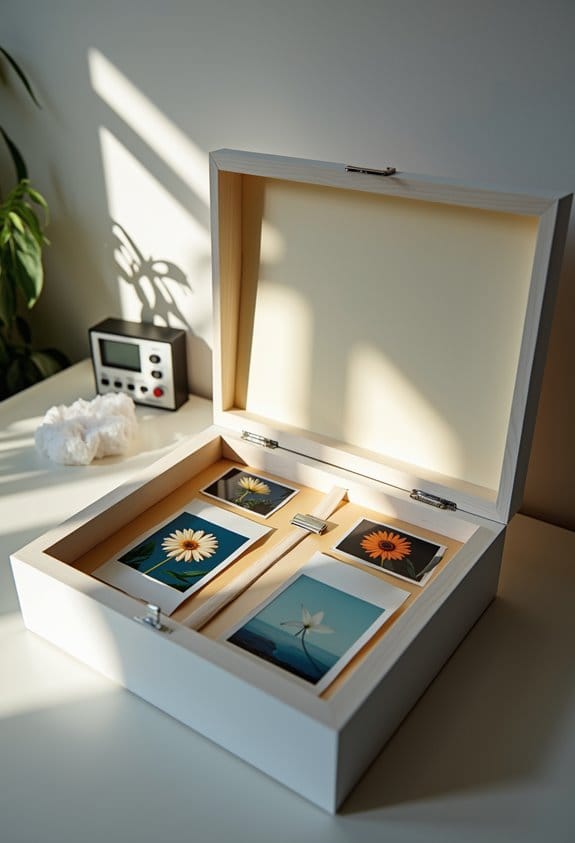
Hey there! If you want to keep your instant prints looking fresh and vibrant, it really helps to know about the right environmental conditions for storage. You should aim for a cool, dry place, around 65 to 70°F (18 to 21°C), which is perfect for keeping heat and moisture at bay. Imagine storing them in a closet away from any radiators or bathrooms, where humidity can sneak in!
Sunlight and fluorescent lights can be quite the troublemakers, causing those beautiful colors to fade over time, so be sure to stash your prints in a darker spot. Also, consider using acid-free materials for storage, like boxes or folders made specifically for photos. This little tip can make a big difference, as it prevents any unwanted chemical reactions that might occur with regular materials.
Don’t forget to keep an eye on the humidity and temperature levels by using a simple thermometer and hygrometer. It’s quick and can save your prints from a lot of potential damage! Lastly, instead of stacking your prints, try to store them upright in rows like books on a shelf—this helps them maintain their shape and prevents warping. Using LED photo clip lights to display your prints can add a soft glow while minimizing exposure to damaging light sources. By following these tips, you can enjoy your cherished prints for years to come! Now, let’s chat about how to handle and display your prints to keep them looking their best.
Recommended Products


Share family history in one convenient home for key documents and objects: The Family Heritage Keepsake Organizer offers one place to organize and then find essential items. 10 Acid-free files (6 vertical and 4 half-size), 2 compartments, and 2 drawers with ribbon pulls and 5 adjustable and dividable sections keep important records and keepsakes safe and organized.

Safely store up to 1,700 photos 4 x 6" in size; two dividers split the box into quarters for organization
Best Practices for Handling Instant Prints
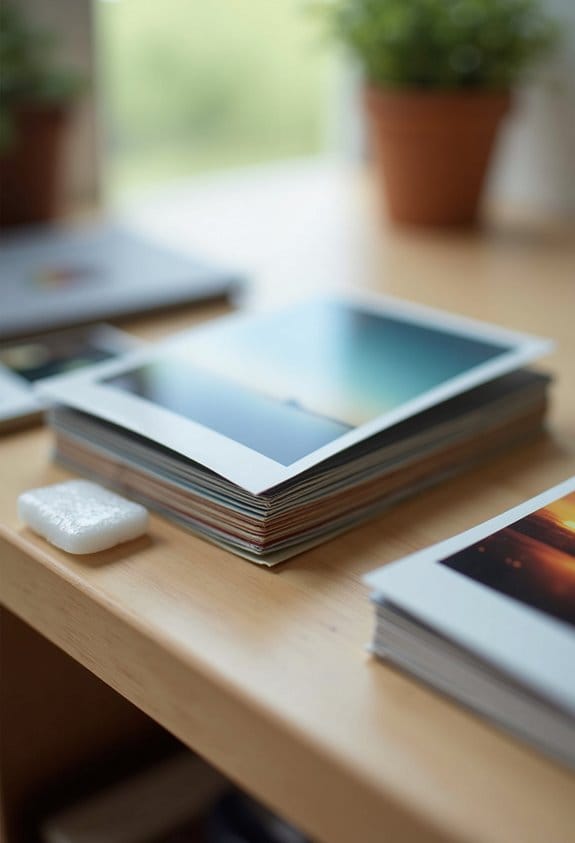
Hey there! So, let’s chat about how to keep our instant prints looking as good as new. First off, handling them with care is essential. Always pick them up by the edges—this helps avoid any fingerprints or smudges because the oils from our fingers can leave lasting marks. For extra protection, try using clean, dry hands or even gloves when you’re touching your prints to keep them safe from moisture and dirt.
Another handy tip is to use protective sheets between your prints. This will stop them from scratching or sticking together. Just imagine pulling apart two prints that have become one big clump—frustrating, right? Also, keep an eye out for any fading or discoloration. It’s like a mini check-up for your prints to catch any issues early!
Lastly, think about where you store them. A cool, dry spot, away from direct sunlight, is best for keeping their colors vibrant. This way, they’ll stay beautiful for years to come. Speaking of keeping things in great shape, let’s talk about fun ways to display those prints! Using archival-quality photo sleeves is a smart way to protect your instant prints from dust, moisture, and UV damage while keeping them organized.
Recommended Products

WOOD NEWSPAPER FRAME: Our made in the USA wooden frame is the perfect way to display your favorite historic newspaper. The frame has a gallery-style look that will showcase the print from whatever paper you decide to place in it.


WOOD NEWSPAPER FRAME: Our made in the USA wooden frame is the perfect way to display your favorite historic newspaper. The frame has a gallery-style look that will showcase the print from whatever paper you decide to place in it.
Ideal Storage Materials for Instant Photos
Hey there! If you want to keep your instant photos looking vibrant for years to come, it’s super important to choose the right storage materials. I recommend going for acid-free archival boxes or folders specifically designed for photos. These help prevent any chemical reactions that could make your prints fade over time.
For individual prints, Mylar sleeves are a great option since they’re acid-free and let you see your images clearly without them getting stuck together. Another tip? Store your photos upright instead of stacking them to avoid any warping.
And don’t forget about the storage environment! Aim for a temperature of about 65-70°F and keep an eye on humidity to help prevent mold. With a little care, you can really keep those cherished memories safe and sound. Using water-resistant materials can also protect your photos from spills and moisture damage. Speaking of memory preservation, next we can explore creative ways to display your instant photos!
Recommended Products

HIGH QUALITY – These White Letterhead Folding Boxes are made from medium weight 30pt. (624gsm) chipboard. It’s thick, durable and archival safe – acid and lignin free to prevent yellowing and brittleness making it last for a very long time!
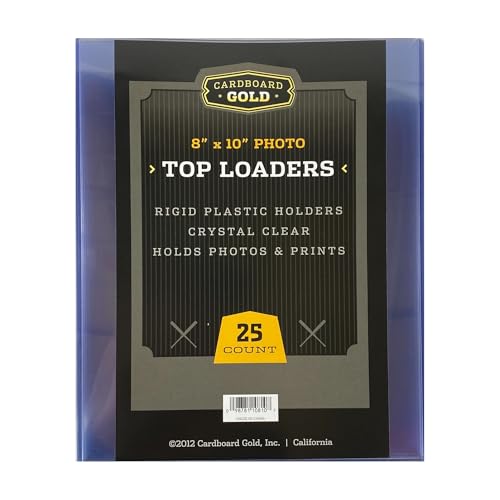

The combination of premium 100 percent cotton platinum paper, with the latest micro-porous coating making the traditional darkroom paper now available for your digital printing
Utilizing Albums and Sleeves for Protection
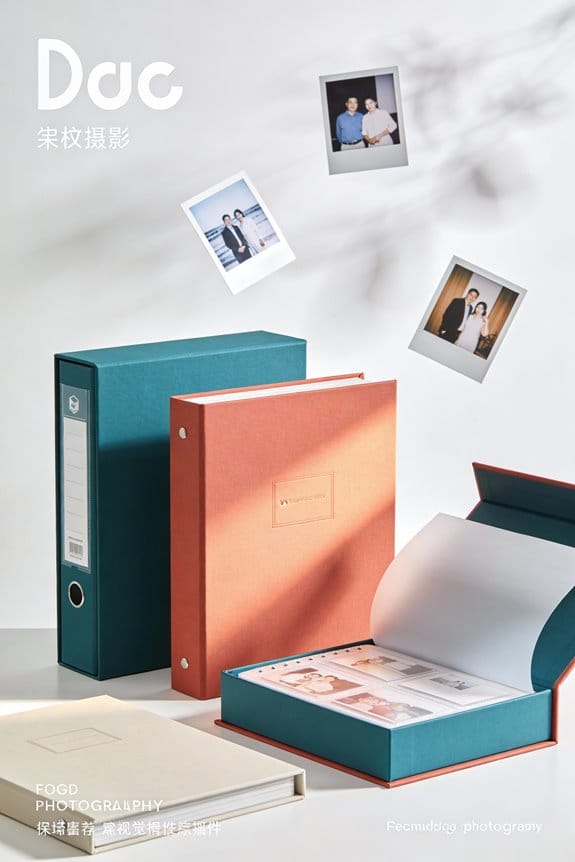
Hey there! You know how much we love our instant prints, right? Well, using albums and sleeves is essential for preserving those cherished memories. Think of it this way: a good album can really keep your prints looking vibrant and accessible for years to come. I personally love the Lomorello DIY albums – they’re super handy and make it easy to flip through your photos while keeping them safe.
When it comes to materials, you definitely want to choose acid-free options. This is key because it prevents chemical reactions that can lead to fading over time. Also, skip those plastic sleeves that might stick to your prints; instead, go for Mylar or polyester sleeves. They give much better protection without the worry of damage.
For storage, keep your prints upright in archival-quality boxes or photo folders. This way, you minimize the chance of bending or creasing. And here’s a tip: always handle your albums with clean, dry hands. This simple step can prevent oils or moisture from ruining your photos. It’s all about taking those small actions to ensure your memories last. Remember, investing in quality albums really pays off in the long run! Many albums also feature refillable pages which allow you to continuously add prints as your collection grows. Speaking of which, let’s chat about how to best arrange your prints for a stunning display.
Recommended Products
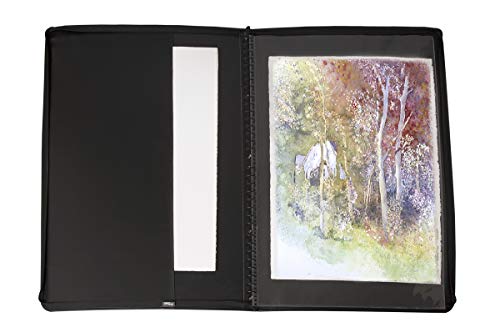
This soft and padded leather-like textured durable cover case has a slim profile that takes up less space than most three-ring binders, and doesn't fold on itself

Transparent picture pockets welded to both sides of the backing sheets

This Itoya Bundle Includes: Pack of Three - ITOYA 18 inch x 24 inch Original Art Profolio Presentation Book/Portfolio- for Art, Photography, and Documents - Scrapbooking Stickers 4 Pages of Emojis, Quotes, Letters & Numbers
Regular Maintenance and Monitoring of Stored Photos
Hey there! You know, when it comes to keeping our instant prints looking their best, regular maintenance and monitoring are just as important as picking the right albums and sleeves. Think of it this way: if you’re storing those precious memories, you want to make sure they stay in tip-top shape. Check the storage space where you keep your photos; it should be around 65 to 70°F (18 to 21°C) with low humidity. A simple thermometer can help you keep tabs on that!
Every now and then, take a few minutes to inspect your prints. This way, if you notice any fading or damage early on, you can address it before it gets worse. It’s also a good idea to store your photos upright in archival-quality boxes instead of laying them flat. This helps prevent warping, which can happen if they’re stacked incorrectly. And if you see that any of your acid-free sleeves are starting to wear out, don’t hesitate to replace them right away!
Keeping a log to track the conditions of your storage area and any changes you notice can also make it super easy. Trust me, a little extra care goes a long way! By staying on top of this maintenance, your photos can remain vibrant and protected for years. So, once you’ve got that covered, we can talk about how to creatively display your favorite prints without compromising their quality!
Remember, films featuring protective polymer coatings offer added water and smudge resistance, so consider using storage options that complement these features to increase your prints’ longevity.
Digital Archiving as a Backup Solution
You know, in our digital world, it’s so important to have a solid backup solution for those instant prints we love. Digital archiving is a great way to ensure those fun memories stick around for years to come. Basically, by scanning our prints and creating high-resolution digital copies, we’re saving those original images so they can be reprinted or shared whenever we want.
For instance, using a platform like LomoHome lets you safely store your photos and easily share them with friends and family. Just think about it: all those favorite moments archived in one place, ready to go! To keep everything secure, it’s smart to regularly back up those digital files in different spots, like on an external hard drive or in the cloud.
Also, don’t forget to scan at high-quality settings to catch all the little details. And when you’re saving your files, use clear names to keep everything organized—this makes it so much easier for future generations to appreciate the stories behind each image. Speaking of stories, once you have your digital archive set up, let’s talk about how to create a memorable photo book to display those moments! Additionally, understanding film compatibility ensures you know which instant prints are best suited for long-term preservation in digital archives.
Creative Ways to Display and Share Your Instant Prints
Hey there! You know, displaying and sharing our instant prints can really turn our favorite memories into delightful showcases that brighten up our everyday spaces. One fun idea is to hang some clipboards or string up a line of photos with clothespins. This way, you can regularly switch out your pictures without worrying about the harmful UV rays fading them.
Another cool option is using shadow boxes. You can not only protect your prints in these nifty containers, but also display them alongside little keepsakes, like concert tickets or travel souvenirs, creating a visual story that really resonates. If you’re into crafts, why not put together a scrapbook-style album with acid-free materials? It’s a great way to keep your memories safe while adding your personal touch.
If you want to keep those instant prints close by, try sticking magnetic frames on your fridge. This allows you easy access to your photos while getting them out of sunlight. And for a tech twist, consider a digital photo frame that cycles through scans of your favorite prints. It keeps your originals safe while sharing those unforgettable moments in rotation.
These ideas can really help to celebrate your memories in unique ways! Now, let’s talk about how to care for those prints so they last a lifetime. Using vinyl portfolios with high transparency pockets is an excellent method to protect photos from damage while keeping them visible and organized.
Frequently Asked Questions
How to Keep Prints From Fading?
We’ve found that storing our prints in a climate-controlled room, away from sunlight, markedly enhances print preservation. Using archival boxes keeps them safe, while checking for fade lets us enjoy our memories for years.
How to Store Instant Photos?
To store instant photos, we can use acid-free photo albums, organizing them upright to prevent warping. Let’s make certain they’re kept in a cool, dry place, away from direct sunlight for lasting memories.
Do Instax Photos Fade Over Time?
Absolutely, Instax photos can fade over time—it’s like watching a memory slip away! Fading factors include light exposure and improper storage. We should cherish and protect our prints to keep those moments vibrant forever.
How to Store Photo Prints Long Term?
To guarantee effective photo conservation, we should store prints in acid-free boxes, maintain a cool, dry environment, utilize vertical storage, and regularly check for damage while keeping everything organized for easy access.