As an Amazon Associate, we earn from qualifying purchases. Some links on this site are affiliate links at no extra cost to you. Our recommendations are based on thorough research and editorial judgment.


Instant Camera Safety Tips for Beginners

When we use instant cameras, keeping them safe and functional is key. First, we should regularly clean the lens with a microfiber cloth to avoid smudges. Protect the camera from rain using a plastic bag and make certain it’s stored in a dry place. Being mindful of our surroundings can prevent theft; secure the camera in a bag when not in use. Finally, using silica gel packs can help control humidity. There’s so much more to cover!
Key Takeaways
- Store your instant camera in a padded bag to protect it from dust and shocks during transport.
- Keep film packs in a fridge between 4 to 18°C for optimal freshness and longevity.
- Utilize a microfiber cloth to clean the lens and ensure clear, vibrant photos.
- Protect your camera from moisture using a rain cover or plastic bag in inclement weather.
- Be cautious of your surroundings and secure the camera in crowded places to prevent theft.
Essential Camera Cleaning Practices
You may be interested



Hey there! If you want to capture all those spontaneous moments perfectly, keeping your instant camera clean is just as crucial as knowing how to snap the right shot. Regular cleaning will help ensure you get the best image quality every time.
Start by grabbing a microfiber cloth to wipe down the lens. This little step helps keep any dust or smudges from ruining your photos. For the outer part of your camera, a soft cloth that’s slightly damp can do wonders to remove dirt and grime. Just think about it—would you want smudges on that cute snapshot of your best friend?
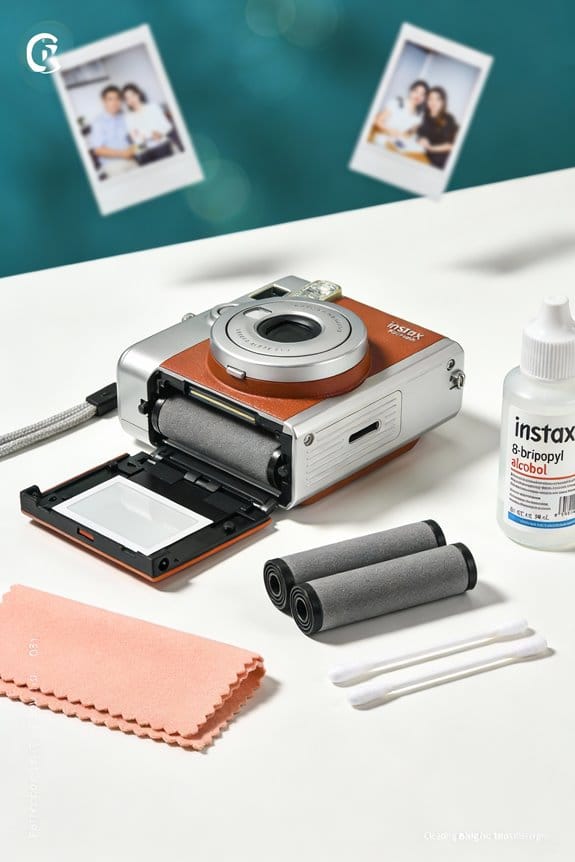
Check the camera rollers too. Sometimes, they can gather residue that affects how the film develops. A quick wipe with some isopropyl alcohol can keep everything running smoothly. While you can handle these basic cleaning tasks, it’s a good idea to leave sensitive components to the professionals unless you really know what you’re doing. To avoid any surprises, try setting up regular maintenance checks—just think of it as a little spa day for your camera before you head out on your next photography adventure! Now, let’s talk about some common issues you might encounter while shooting. Be sure to use microfiber cloths specifically designed for lenses to avoid scratches and maintain clarity.
Protecting Your Camera From Weather Elements

Hey there! If you want to make sure you get all those special moments with your instant camera without stressing over the weather, you need to be smart about how you protect it from the elements. One of my go-to tips? Always have a plastic bag or rain cover on hand. Seriously, these can be lifesavers when the clouds decide to open up, as they’ll keep your polaroid camera safe from rain and moisture that could mess with its insides.
Another thing to keep in mind when you’re out in a wet environment is to bring a small towel. It’s perfect for quickly wiping off any moisture—especially if you’re near saltwater, which can be really harsh on your gear. And if you ever find yourself needing to switch lenses in windy conditions, just be super cautious; debris can sneak into the camera and could cause some serious damage.
Also, take a moment to get to know the weather sealing features of your specific camera model. This knowledge can help you make smart decisions about when it’s safe to shoot outside. Plus, when you’re not using your camera, store it in a dry place with low humidity to fend off any moisture issues. It’s all about being proactive!
Additionally, choosing a compact and lightweight model can make it easier to handle your camera safely in challenging weather conditions.
With a little care and preparation, you’ll keep capturing those memories rain or shine, and that really allows you to focus on enjoying your photography adventures.
Being Aware of Your Surroundings

Hey there! Let’s talk about the importance of being aware of your surroundings when you’re out there snapping photos. It’s especially crucial in crowded places where your gear can make you a target for theft. Keeping your camera close, like in a secure bag or hanging tightly from your shoulder, is a smart move. For example, when you’re enjoying a meal al fresco, it’s a good idea to pop your camera in your bag or wrap the strap around your wrist so it won’t accidentally slip away.
Also, please avoid leaving your camera unattended on a tripod. It might seem safe, but it can be a real temptation for someone passing by. And when you’re taking gear out of your bag, stay alert! Nobody wants to miss out on a great shot because they weren’t paying attention. Oh, and have you ever tried to stash your camera in less obvious spots, like the far corner of a parking lot? It’s a simple way to keep it hidden from curious eyes.
Lastly, don’t forget about the lighting! Staying away from direct sunlight helps you capture those vibrant colors and fantastic details. Being mindful of your environment isn’t just about safety; it’s also key to taking stunning photos. Remember, using a camera with automatic exposure control can also help improve your shooting experience in varying lighting conditions. So let’s keep our eyes peeled and enjoy our photography adventures! What do you think about planning that next shoot together?
Safe Storage Tips for Your Equipment
Storing our instant camera and film properly is super important if we want them to stay in great shape for all those fun shoots! Think of your Polaroid as a precious gem — it deserves a cozy, padded bag when you’re not using it. This way, you protect it from dust and any accidental bumps. For the film packs, aim to keep them in a dedicated fridge, ideally set between 4 to 18°C (41 to 65°F). This ensures your film stays fresh and ready to capture those special moments.
If you’re living in a place where humidity is a concern, getting a dry cabinet can really help regulate moisture. It’s pretty common to find that even a little humidity can mess with film quality. You might also want to check your storage area from time to time for any fluctuations in temperature and humidity — just a quick peek can save you from future headaches. Proper storage not only keeps your equipment safe but also maximizes your chances of snapping those perfect memories! Using storage solutions with water and dust resistance can further protect your camera and prints from environmental damage.
Now that we’ve covered how to keep everything safe, let’s talk about getting the most out of your film once it’s ready for action!
Maintaining Camera Functionality
Hey there! If you want your instant camera to keep working like a charm, it’s super important to maintain its functionality. Think of it as giving your camera some TLC. For starters, make sure to regularly check and clean the camera rollers. Just grab a soft cloth and a little isopropyl alcohol. This combo will help you avoid any pesky residue buildup that can mess with your film quality.
Also, when loading film, always follow the specific instructions for your camera model. It might seem straightforward, but messing up can damage both the camera and the film. I always double-check the loading process, and it’s saved me from some frustrating mishaps!
Storage is equally important. Keep your camera in a dry spot to reduce the risk of moisture-related damage. A simple tip: a camera bag with silica gel packets can do wonders in keeping things nice and dry. Using a blower brush regularly helps keep lenses spotless and ensures perfect shots by preventing debris buildup.
Lastly, don’t skip out on regular professional servicing. Getting a quick check-up now and then can prevent little issues from turning into major headaches later.
Frequently Asked Questions
Does Opening Instax Ruin a Film?
Yes, opening Instax film exposes it to light sensitivity, ruining instant film quality. We must guarantee careful camera handling and avoid premature exposure to protect film development for those unforgettable moments we capture in instant photography.
Are Instant Cameras Good for Beginners?
“When in doubt, snap it out!” Instant cameras are fantastic for beginners. Their simple features help us learn photography tips, choose film types, understand exposure settings, and enjoy maintenance, making it easy to find the right accessories.
Does Shaking a Polaroid Help?
Shaking a Polaroid won’t help; in fact, it can harm photo quality. We should embrace the timing technique instead, allowing the film development process to unfold naturally and debunk common myths surrounding instant results and shaking effects.
Do You Put Polaroids in the Light or Dark?
We keep Polaroids in the dark initially to improve exposure settings during film development. Under bright light, we risk compromising image quality and color saturation, so using proper shooting techniques is essential for the best results.