As an Amazon Associate, we earn from qualifying purchases. Some links on this site are affiliate links at no extra cost to you. Our recommendations are based on thorough research and editorial judgment.


Storing Instant Film: Best Practices for Longevity

To store instant film for longevity, keep it in its original sealed packaging and in a cool, dry place between 4° to 18°C (41° to 65°F). Check expiration dates, as using fresh film within a year guarantees the best results. Refrigeration is helpful, but warm the film to room temperature before shooting. Be sure to clean your camera’s rollers regularly, as cleanliness affects photo quality. For more tips on protecting your film, we’ve got you covered with additional insights.
Key Takeaways
- Store undeveloped instant film in its original sealed packaging in a cool, dry place, ideally between 4° to 18°C (41° to 65°F).
- Refrigerate film to prolong its life, but avoid freezing, and allow it to warm to room temperature before use.
- Clean the camera rollers regularly to ensure even chemical distribution for optimal photo quality.
- Shield photos from light for the first 5-10 minutes post-shooting and use archival-quality sleeves for long-term storage.
- Maintain a stable storage temperature between 5°C and 40°C (41°F to 104°F) for film cartridges and use older stock first.
Proper Storage of Undeveloped Film

You may be interested


Hey there! So, if you’re looking to store your undeveloped Polaroid film and keep it in tip-top shape, I’ve got some straightforward tips for you. First off, always keep the film in its original sealed packaging. This little step goes a long way in protecting it from pesky moisture and bright lights that can damage it.
Now, let’s talk about temperature. Ideally, you want to stash your film in a cool, dry spot—somewhere between 4° to 18°C (or 41° to 65°F) works best. Steer clear of the freezer, though! Freezing can mess up the film’s internal chemistry. A good rule of thumb is to let the film sit at room temperature for about an hour before you start using it. This way, you’ll ensure the development process goes smoothly.
Oh, and try to use the film within a year. This keeps the quality high and the results reliable. So, next time you’re ready to snap some memories, you won’t be let down by your film. Speaking of capturing moments, let’s chat about how to take amazing shots with your Polaroid! Plus, integrating your camera’s Bluetooth capability can unlock creative control and enhance your photography experience.
Understanding Expiration Dates

Hey there! Let’s chat about expiration dates on instant film because they really matter more than you might think. Using fresh film within the first 12 months is key to getting those sharp and vibrant images we all love. If you decide to shoot with expired film, be prepared for some surprises—like discolored or faded photos. Some photographers enjoy the unique look of expired film for artistic projects, but if you’re after quality, fresh film is the way to go.
Now, when it comes to Instax film and its expiration, it’s not as crucial as Polaroid, but it’s still a good idea to check the packaging! For example, if you find a pack of Instax film tucked away for a while, taking a quick look at the expiration date can save you from ending up with underwhelming results. Proper storage, like keeping the film in a cool, dry place, can help extend its life a bit, but still, using it after the expiration date might lead to less-than-great photos. Polaroid Snap cameras use Zink Zero Ink technology, which can offer vibrant prints without the need for ink cartridges, but starting with quality photo paper is just as important for the best results.
Clean Your Rollers Regularly

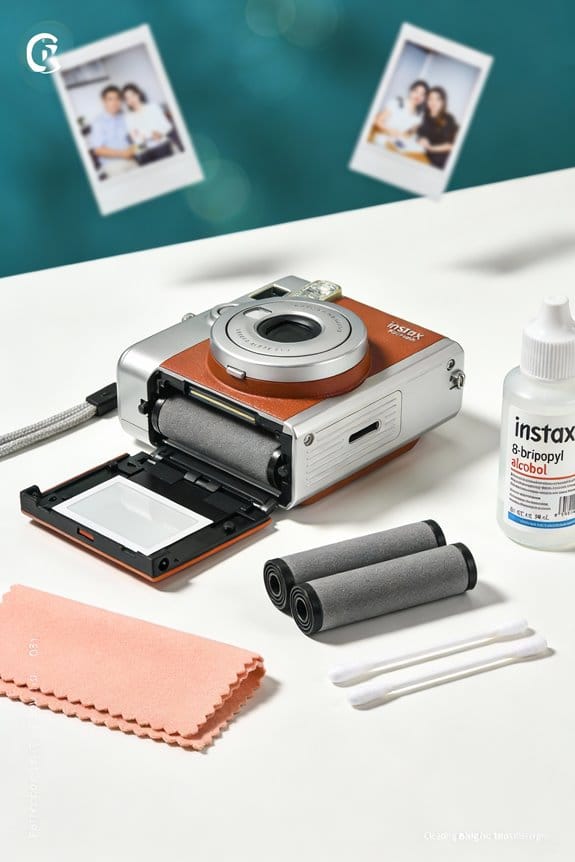
Hey there! If you want to get the most out of your instant film photography, cleaning your rollers regularly is key. It’s super important because those little rollers help distribute chemicals evenly across the film layers. When they’re dirty, you could end up with streaky or defective photos, and we definitely don’t want that!
Cleaning them is pretty straightforward. Just grab a soft cloth that’s lightly damp with either water or a mixture of water and alcohol, and gently wipe down the rollers. It’s a good idea to do this before you load a new film pack, because a quick clean can save you from potential photo disasters. For folks using Instax cameras, keeping an eye on those rollers is especially important to ensure your images come out vibrant and sharp. Proper handling and storage of your film, such as keeping it in a cool, dry place, also help maintain its quality over time.
Refrigeration for Instant Film
Hey! So, let’s chat about the best way to keep our instant film in top shape, especially when it comes to refrigeration. You’d be surprised how important proper storage is for maintaining quality. Ideally, you want to stash your film in a cool spot, around 5°C to 18°C (or 41°F to 65°F). This temperature range really helps slow down the aging process of the chemicals inside, making sure your photos turn out vibrant and true to life.
But hold on! Don’t ever think about freezing your film; that can wreck its chemistry. A good rule of thumb is to let your film warm up to room temperature for at least an hour after taking it out of the fridge. This prevents any condensation from forming on it, which could ruin everything.
Also, make sure you keep your film sealed up while it’s in the fridge. This protects it from moisture and any contaminants lurking around. Just think of it as giving your film a cozy little home that keeps it safe! With these simple storage tips, we can make sure our memories stay sharp and colorful! Remember, instant film can generally last about two years when stored properly, respecting expiration dates.
Protecting Film From Light Exposure
Hey there! So, I know it’s super tempting to share those fresh instant photos right away, but let’s talk about how light exposure can impact their development and how we can keep them looking great for years to come. First things first, protecting your film from light is crucial, especially right after you take a shot. Using something like a film shield or the trusty “frog tongue” for the first 5-10 minutes can really help lock in those beautiful colors.
Now, here’s a neat tidbit—while Polaroid film is quite sensitive to light during its development, Instax film actually can handle it a bit better. This means you don’t have to stress too much if you take your Instax out into bright light—pretty cool, right? Once your photos are all developed and ready to be admired, the next step is storage. Make sure to use protective sleeves or albums that block harmful UV rays; this will keep your prints vibrant and prevent fading over time.
In essence, taking these simple steps in shielding your film from light allows you to truly cherish those memories. Speaking of memories, let’s chat about different ways to display or organize your photos to keep those moments alive! Using archival-quality sleeves can provide long-lasting protection from scratches, moisture, and dust, ensuring your photos stay pristine.
Storing Developed Photos
Hey there! Let’s talk about how to store those developed photos properly, because keeping them in great shape is easier than you might think. To make sure your Polaroid film stays vibrant, you’ll want to find a cool, dry spot for storage. Think about a cupboard away from sunlight—direct light can really fade colors over time!
When you’re organizing your prints, try to store them upright in albums or boxes. It’s kind of like stacking books—keeping them upright helps prevent warping. Also, check older packs of developed film from time to time. If you give them a little shake and hear nothing, that’s a sign they might be dried out and not worth holding onto.
If you want to display your photos, using UV-protected frames can be a smart move. They shield your images from that pesky light that can cause fading. By taking these simple steps, you can enjoy your cherished memories for years to come, and who doesn’t want that? Plus, once you’ve got your photos sorted out, it’s fun to think about creative ways to showcase them!
For optimal protection, consider using storage boxes made from PU leather or acrylic materials, which offer durability and moisture resistance.
Traveling With Instant Film
Hey there! So, if you’re planning to take your instant film on the go, there are a few things to keep in mind to ensure it stays in tip-top shape. First off, when you’re traveling, it’s best to pack your film in insulated bags or even use cool packs. This way, your film stays cool and dry and avoids any direct sunlight—it’s like giving your film a little cozy blanket to snuggle in!
Now, here’s a quick tip: try to keep the temperature where your film hangs out between 13 to 28°C (that’s 55 to 82°F). Think of it as the ideal temperature range to keep your photos looking their best. Oh, and don’t forget to check the expiration dates before you hit the road. Using expired film can lead to unexpected surprises—some may not be the fun kind!
And when you’re packing those film cartridges, make sure to store them upright in protective pouches. This will help prevent any warping or pesky light exposure that could ruin your shots. With these simple steps, you can keep your instant film ready for capturing those amazing travel moments! Speaking of moments, let’s chat about the best settings for shooting outdoors. Also, consider using LED photo clip fairy lights to display your captured shots with a charming glow once you’re back from your trip.
Tips for Long-Term Storage
If you want your instant film to stay in top-notch shape for ages, let’s chat about some handy storage tips. First things first, always keep your film cartridges in protective pouches or cases. This little trick keeps them safe from light, humidity, and any physical bumps they might encounter.
Next, think about where you’re storing them. It’s best to find a cool, dry spot, ideally between 5°C and 40°C (that’s 41°F to 104°F). This helps avoid any warping or issues when you finally get around to using them. And hey, don’t forget to regularly check the expiration dates on your film packs. Labeling them clearly can save you a lot of guesswork later on. Just remember the “first in, first out” rule: use the oldest stock first!
Oh, and be cautious about where you keep your film. High temperatures and direct sunlight can really do a number on quality and colors. So, aim for a dark storage area, like a drawer or cupboard. Some film packs even come with special microfiber cleaning cloths to help maintain optimal clarity during use. By following these straightforward steps, you can really help your films last longer, ensuring you capture those precious moments in their best form. Now, let’s move on to how to properly handle and expose your film for the best results!
Temperature Management for Films
Hey! You know, managing temperature is super important when it comes to taking care of instant film. If you want to keep your Instax film in prime condition, you should store it in a cool spot—ideally between 4°C and 18°C (that’s about 41°F to 65°F). This helps keep the chemicals inside from breaking down.
Now, when it’s time to snap some photos, the best temperature for both Polaroid and Instax films is actually a bit warmer, around 13°C to 28°C (or 55°F to 82°F). Just a heads-up: if your film gets too cold, it won’t develop properly. On the flip side, high heat can make your photos turn out with funny colors. So steer clear of putting your film in direct sunlight or anywhere humid.
If you do find yourself needing to refrigerate the film because it got too warm, just remember to let it sit out for about an hour to get back to room temperature before you start shooting. This way, you’ll be setting yourself up for beautiful results. And speaking of results, this careful handling really pays off in the end!
For best quality and longevity, store films in original packaging to protect them from light and dust exposure.
Handling and Caring for Processed Photos
Hey there! You know how we love to showcase our processed instant photos? Well, taking care of them is key to ensuring they look amazing for years to come. First off, make sure to store your prints in a cool, dry place—think about keeping them away from direct sunlight, which can really fade those beautiful colors over time.
One great tip is to use UV-protected frames or albums. This simple step helps protect them from environmental damage, so they stay vibrant and true to life. Another thing to keep in mind is stacking your photos. Instead of piling them up, try storing them upright in protective cases. This can help prevent any unwanted warping or physical damage. Also, remember to keep your instant film and prints at optimal temperatures to maintain their quality and longevity.
Frequently Asked Questions
How to Best Preserve Instax Photos?
To best preserve Instax photos, we should prioritize proper photo storage in cool, dry areas, select UV-protected albums for organization, and explore creative display ideas that keep our memories vibrant and safe for years.
Should I Put My Instax Film in the Fridge?
Sure, we can refrigerate our Instax film! The cool air keeps humidity at bay, ensuring ideal storage conditions. Let’s always allow it to warm up before use to avoid paper-thin temperature effects. Long-term preservation techniques matter!
Does Instant Film Go Bad?
Yes, instant film can go bad. Expiration dates matter, and we should use proper storing techniques. Film’s sensitivity to environmental factors like heat and moisture can greatly affect its longevity and image quality.
What’s the Best Way to Store Polaroid Film?
To store Polaroid film, we should use airtight film storage containers, focus on temperature regulation tips between 4-18°C, and apply humidity control methods to maximize the lifespan of our instant film and guarantee the best results.