As an Amazon Associate, we earn from qualifying purchases. Some links on this site are affiliate links at no extra cost to you. Our recommendations are based on thorough research and editorial judgment.


Instant Film Storage Temperature Guidelines

To get the best results from our instant film, we should store it between 4°C to 18°C (41°F to 65°F). Keeping it in this range helps maintain vibrant colors and quality. For undeveloped film, sealed packaging is key, and we should avoid the freezer. After developing photos, give them 30 days without plastic sleeves to prevent moisture. By protecting our film from extreme temperatures and humidity, we enhance our chances of capturing stunning memories. More insights on storage techniques await us.
Key Takeaways
- Store instant film between 4°C to 18°C (41°F to 65°F) to ensure optimal development and color vibrancy.
- Avoid storing undeveloped film in freezers; keep it sealed in a cool, dry area or refrigerator.
- Allow film to reach room temperature for about an hour before use to maintain film chemistry.
- After processing, avoid plastic archival sleeves for 30 days to prevent moisture damage; use albums or frames instead.
- Regularly monitor the storage environment’s temperature and humidity levels, aiming for 20-30% humidity.
Ideal Temperature Range for Instant Film

You may be interested


Hey there! Let’s chat about how to keep your instant film in top shape. If you’re using Polaroid film, it’s really important to store it within the ideal temperature range of 4°C to 18°C (41°F to 65°F). This sweet spot not only helps your photos develop beautifully, but it also keeps the colors vibrant. Just remember, if you go too low—especially below freezing—it can mess with the film’s chemistry and ruin your shots.
On the other hand, if temps climb above 28°C (82°F), you might end up with odd color tints, like a sudden splash of yellow or red that wasn’t in your original scene. To keep your films safe, always store them sealed in their packaging to guard against light and moisture. It’s a simple step that goes a long way in preserving those instant memories you love. Using organizers with splashproof materials can also help protect your instant cameras and film from environmental hazards. Now that you know how to store your film, let’s talk about some fun ways to display those captured moments!
Storing Undeveloped Instant Film

Storing undeveloped instant film is super important if you want to capture those unforgettable moments with the best quality possible. First off, always keep your film in its sealed packaging; this shields it from harmful light and moisture. Think of it like protecting a delicate flower—you want to keep it safe from harsh conditions!
The ideal spot for storing your film is in a cool, dry place—like your refrigerator. Really, temperatures between 4–18°C (41–65°F) work wonders. But be careful! Don’t stick it in the freezer; that could mess with the film’s chemistry and ruin your shots. Before you use the film, let it warm up to room temperature for about an hour. Trust me, it makes a difference!
Also, keep an eye on that expiration date. Using the film within 12 months from when it was made keeps things fresh and helps you get the most out of your photography. For example, if you’ve got a birthday party coming up in the next month, grab that film and use it to capture all the fun! Now you’re all set and ready to snap some amazing photos. Speaking of which, let’s talk about the best techniques for taking those memorable shots!
Proper storage conditions also help maintain the film’s ISO rating of 800, ensuring vibrant colors and natural skin tones in your photos.
Recommended Products
Product 1: More Efficient: VEVOR ice maker provides you ① [Faster] World"s top brands 850W SECOP compressor for rapid ice making, 8*18 ice tray for 144 clear cubes one cycle in 8-15 minutes, and up to 440lbs of ice in 24 hours. ② [Harder] Equipped with premium water filter, more crystal clear and harder Ice cubes crank out at the standard size of 0.9''*0.9''*0.9'', cloudless and chew-able. ③ [Larger] Stores Up To 77lbs of Ice, and works great for Hotels,Supermarkets, Restaurants, schools and more.

PREMIUM MATERIALS FOR DURABILITY: Crafted from heavy-duty SUS304 stainless steel, this black bathroom mirror is sturdy, durable, anti-scratch, and rustproof; The no-distortion HD glass provides clear reflections; the MDF backboard ensures safety and strength against humidity

【23.5% High-Efficiency Mono-Crystalline Cells】Engineered with 6-layer ETFE lamination and high-efficiency monocrystalline silicon cells, this panel achieves an exceptional 23.5% energy conversion rate—4% higher than many comparable panels and over 1.2 times more efficient than traditional polysilicon models. The ETFE material offers 97% light transparency, along with superior heat and chemical resistance, delivering maximum free energy for your power station.
Effects of Extreme Temperatures on Film

Hey there! Did you know that the quality of instant film can really take a hit if it’s exposed to extreme temperatures? It’s something to keep in mind if you want those special memories to come out just right. For instance, once the temperatures climb above 28°C (82°F), you might start seeing pesky defects like unwanted yellow or red tints in your photos. And if you leave your film in a warm spot for too long—like a car on a hot day—the chemicals can break down, which totally ruins the picture quality.
The sweet spot for storing your film is between 4° and 18°C (41° – 65°F). This range helps keep the film fresh and ready for action. Just a heads up, though—don’t put it in the freezer! Extreme cold can mess with the film’s chemistry, which isn’t ideal either. Plus, if you’re moving your film around a lot or if it’s close to a heat source, rapid temperature changes can cause problems. For safely displaying the resulting photos, using LED photo clip string lights can ensure gentle illumination without exposing your photos to damaging heat.
Recommended Products

RGB+Warm/Cool White for All Year: RGBWIC LEDs provide 2700K-6500K adjustable white light for daily illumination. 16 million vibrant RGB colors for festive ambiance. 100+ preset scenes, once for all, from Halloween, Christmas, Easter decor to daily security lights.

Warm Tips Before Purchase: ①Please select a length that closely matches your requirements, as the strip lights cannot be cut. ②This SW1 waterproof strip light is only compatible with the Lepro app (not compatible with the "Lepro Lampux" or "Smart Life" app). ③No remote, as the remote only offers a few fixed modes. We have released more exciting features and DIY designs on our app, which is continuously updated.

【Caramel Ceiling Draping Set】Pack of 6 caramel wedding ceiling drapes with lights, each ceiling draping panel measures 5 feet(60inch)wide x30 feet(360inch) long. Attach to the ceiling of the venue to soften the space and create a stunning fairytale atmosphere, transform any venue space.Drapes and fairy lights can be used for decoration on both indoor as well as outdoor events
Importance of Temperature Consistency
Hey, you know how important it is to keep a consistent temperature when working with instant film, right? It really helps to make sure we get those crisp, vibrant images we love. Ideally, we want to keep our film packs in that sweet spot of 4 – 18°C (41 – 65°F). If the temperature jumps above 28°C (82°F), we risk encountering some nasty color distortions that can ruin our shots.
When we maintain stable conditions, we help prevent those pesky chemical reactions that can break down the film over time. A simple trick is to pop your film packs in the fridge before you plan to use them. Just remember to let them sit at room temperature for about an hour after taking them out. This little step goes a long way in ensuring our memories are captured beautifully!
For best results, always check the storage requirements specific to your film type to maintain photo quality and longevity.
Refrigeration Guidelines for Instant Film
If you’ve got some instant film, like Polaroid or Instax, keeping it at the right temperature is super important! Think of it like giving your film the best possible environment to thrive in. The sweet spot for storing instant film is between 4°C and 18°C (41°F to 65°F), so it’s a good idea to keep it in a dedicated fridge. This cool, dry space helps protect the film’s unique chemicals from getting messed up.
Now, here’s a tip: make sure you don’t freeze the film. Freezing can ruin how the film develops, and nobody wants to end up with disappointing snaps! When you’re ready to use it, take the film out and let it warm up to room temperature for at least an hour. This little step helps maintain the quality of your pictures. Also, be mindful of warm spots—anything above 28°C (82°F) can lead to pesky color tints in your photos. For best results, always store your film in a place with consistent temperature and humidity to preserve grain quality consistency.
Recommended Products

✨【Commercial-Grade High-Efficiency Nugget Ice System】 This Commercial Nugget Ice Maker delivers consistent chewable ice output to elevate customer beverage experience and turnover rates. Engineered for restaurants, hotels, and workplace environments, this machine provides rapid ice production with slow-melting, crunchable nugget ice that maintains optimal drink quality from first sip to last.

REVOLUTIONARY FAST-CHARGING TECHNOLOGY: Experience industry-leading recharge speeds with 0-80% capacity in just 36 minutes via AC, or an unprecedented 26 minutes when combining AC and solar inputs simultaneously – 3X faster than conventional power stations.

· 30x40 INCH MIRROR LARGE ENOUGH FOR BLANK SPACE: This 30x40 mirror black is large enough for you to put above the 2 sinks and see the whole figure. Looking for a large mirror for excellence reflection and decoration, this large rectangle mirror could be the one for your space with our unique beauty rounded frame design. The metal frame with modern matte black could match any style( Modern or Farmhouse). Let this rounded corner mirror add the light and enhance the beauty for your home instantly.
Dry Environment and Humidity Control
Hey there! If you’re a fan of instant film like I am, you know how important it is to keep it in a dry environment to make those memories last longer. You’ll want to store instant film at a comfy temperature between 4–18°C (41–65°F). Think of it like keeping your favorite ice cream in the right freezer; too warm and it’ll melt away, too cold and it can get icy!
Now, let’s talk humidity. Keeping that level between 20-60% is crucial, but ideally, aim for 20-30%. If humidity goes over 60%, your film might attract unwanted fuzz, like mold—yuck! On the flip side, if it dips below 15%, your precious film could start to get brittle and fragile, ready to crack like that old vinyl record you love but can’t play anymore. So, finding a balance is key.
To keep things in check, use a thermometer and hygrometer; they’re pretty handy little gadgets. Just like watering a plant, being attentive to your film’s environment can help preserve those vibrant memories for years to come. So, think of how you manage your collectibles, and you’ll find that perfect sweet spot! Also, storing your film in water-resistant cases can provide extra protection from moisture and dust, further extending its lifespan.
Best Practices for Handling Exposed Film
Hey there! So, when it comes to handling exposed instant film, it’s super important to treat each photo with care if you want the best results. For the first month, steer clear of direct sunlight and find a cool, airy spot to keep your photos. This little trick helps slow down any pesky chemical reactions that might mess with the image quality.
Make sure to lay each Polaroid flat while it dries; this way, you won’t end up with any bends or creases that can ruin the shot. And during this drying time, it’s best to skip those classic plastic archival sleeves – they can trap moisture and cause issues. After 30 days, you can safely store your photos in albums or archival sleeves. Just remember to keep them in a dry, dark place to fend off fading.
If you’re thinking about displaying any of your favorites, go for frames with UV-protective glass. It’ll keep your memories vibrant for much longer! It’s also crucial to avoid exposing your film to extreme temperatures to maintain print quality and color vibrancy. Speaking of displaying, let’s chat about creative ways to showcase those special moments next.
Recommended Products

High Quality: Our customizable bridal party sunglasses are made of quality plastic, not easy to break, friendly to skin, comfortable to wear and can be used for a long time

SONY USA Authorized Model - Includes Full USA SONY Warranty

[Built To Last] Hand-crafted by a Top-Rated canvas brand on Amazon with vibrant long-lasting colors and exceptional details that will brighten up and transform your space.
Long-Term Storage Considerations
Hey there! If you want your instant film to stay in tip-top shape for a long time, let’s chat about how to store it properly. Keeping temperatures between 4 and 18°C (that’s about 41 to 65°F) is really important because it helps preserve the film’s chemistry, ensuring your pictures come out beautifully. Just remember—don’t toss it in the freezer! Extreme cold can mess with the film’s development process.
Another handy tip is to store your film in its original sealed packaging. This simple step protects it from light and moisture, which can be pretty damaging. If you have access to a dedicated film fridge, that’s even better! It keeps everything nice and cool while shielding your film from direct sunlight and heat.
Make it a habit to check your storage setup regularly. This way, you ensure everything stays steady and ready for your next photography adventure. Speaking of which, let’s explore some tips on how to make the most of your instant film shots!
Also, remember that proper handling during the development phase is crucial to avoid damage and achieve the best photo quality.
Recommended Products

Kit Includes 3 Products—All Brand New Items with all Manufacturer-supplied Accessories + Full USA Warranties:

Updated classic I-type film value pack: The classic film is back with a new formula exclusively for I-type cameras with 96 classic iconic white framed photos.
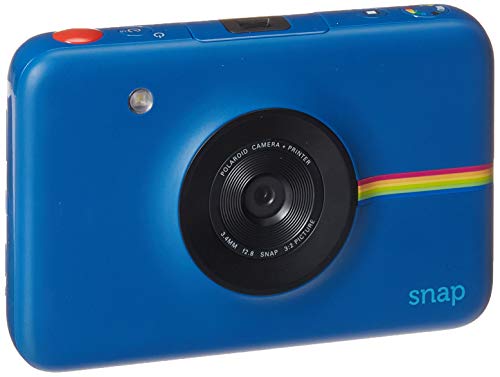
SNAP, PRINT, SHARE: The Polaroid Snap instant digital camera captures all the fun and spontaneity of the legacy Polaroid instant camera in an easy, compact package; Simply point and click to print vibrant, high quality photos that you can share, no computer connections needed
Troubleshooting Temperature Issues
Hey there! Dealing with temperature issues can definitely be a bit tricky, but I’ve got your back. When it comes to storing your undeveloped Polaroid film, it’s best to keep it tucked away in the fridge, ideally between 4°C and 18°C (41°F to 65°F). Just keep in mind, don’t freeze it, as that can really mess things up!
Now, if you notice the weather getting warmer, it’s super important to process your photos in cooler places. Heat can really change how your pictures turn out. And to avoid any exposure problems from temperature fluctuations, make sure you have a good thermometer handy.
Also, keep your film flat and stored away from direct light and moisture. Those things can really ruin your film over time. Aim for a stable environment around 13°C to 28°C (55°F to 82°F), and you’ll keep your shots looking fantastic! It’s all about keeping things consistent. Speaking of getting great results, let’s chat about some tips for processing those photos!
Remember, different films have varying development times and processes, so always follow the recommended guidelines for your specific film type.
Frequently Asked Questions
What Is the Optimal Temperature for Film Storage?
While many think room temperature’s fine, we believe ideal film longevity’s achieved in cool, dry conditions. Using storage containers in the suggested temperature ranges enhances performance and keeps our cherished moments preserved for longer.
Does Temperature Affect Instax Film?
Yes, temperature greatly affects Instax film. By using proper film preservation techniques, we can minimize color fading effects and guarantee vibrant images. Let’s keep our film in ideal conditions for best results every time!
What Temperature Should Polaroid Film Be Stored At?
We should store Polaroid film between 4°C and 18°C for ideal film longevity. It’s essential, as temperature impacts its performance — higher temps cause undesirable color changes, harming the beautiful memories we capture.
What Temperature Will Ruin Film?
It is understood that exposure to temperatures above 28°C can really throw a wrench in our plans, leading to film degradation. Those pesky temperature fluctuations can ruin our precious photos if we don’t store them properly.