As an Amazon Associate, we earn from qualifying purchases. Some links on this site are affiliate links at no extra cost to you. Our recommendations are based on thorough research and editorial judgment.

Why Instant Film Expires and How Long It Lasts

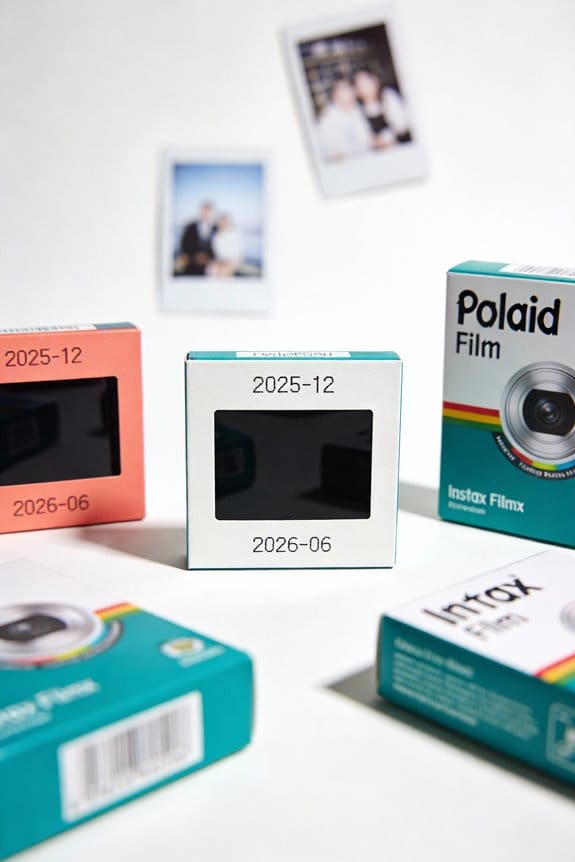
Instant film typically lasts about two years before it starts to expire, primarily due to the degradation of light-sensitive chemicals. As time passes, we can expect unpredictable quality and decreased reliability in our images. Factors like temperature, humidity, and light exposure can accelerate this degradation. Fresh film delivers vibrant colors and sharp details. However, testing expired film can yield unique results. If you’re curious about storage practices and signs of expired film, there’s more to explore.
Key Takeaways
- Instant film expires due to the degradation of light-sensitive chemicals, typically around two years from the manufacturing date.
- Storage temperature significantly affects film lifespan; ideal conditions are between 5°C and 40°C.
- Exposure to heat, humidity, light, or moisture accelerates the deterioration of instant film.
- Signs of expired film include odd color shifts, grainy textures, and unexpected artifacts in developed images.
- Testing expired film can provide insight into its viability, but expect reduced image quality and saturation.
The Chemistry Behind Instant Film Expiration

You may be interested


You know, instant film is so much more than just a quick snapshot—it’s really a fascinating blend of chemistry that affects how our photos turn out. When you grab a pack of instant film, you’re working with light-sensitive chemicals that can degrade over time, which is why you often see an expiration date, usually around two years. If you don’t use that film right away, these chemicals can lose their effectiveness, resulting in photos that may not have the vibrant color or sharp contrast you expect.
If you’re looking to extend the life of your film, try storing it in a cool and dry place. For instance, keeping it in your fridge can really help preserve its quality—just remember to let it reach room temperature before you pop it into your camera. But keep in mind, even with proper storage, you might still notice some changes, especially if the film experiences temperature swings or high humidity.
And once you do take that picture, don’t let the developed film sit around too long! Getting the film processed quickly is crucial to maintaining the clarity and detail of your photos. Film speed, typically measured in ISO ratings, plays a role in how well your photos turn out under different lighting conditions.
So, the next time you snap a pic with instant film, think about the chemistry that goes into making that moment last. Who knew taking a photo could be so scientific? Speaking of which, let’s talk about what happens during the development process next!
Factors Affecting the Lifespan of Instant Film
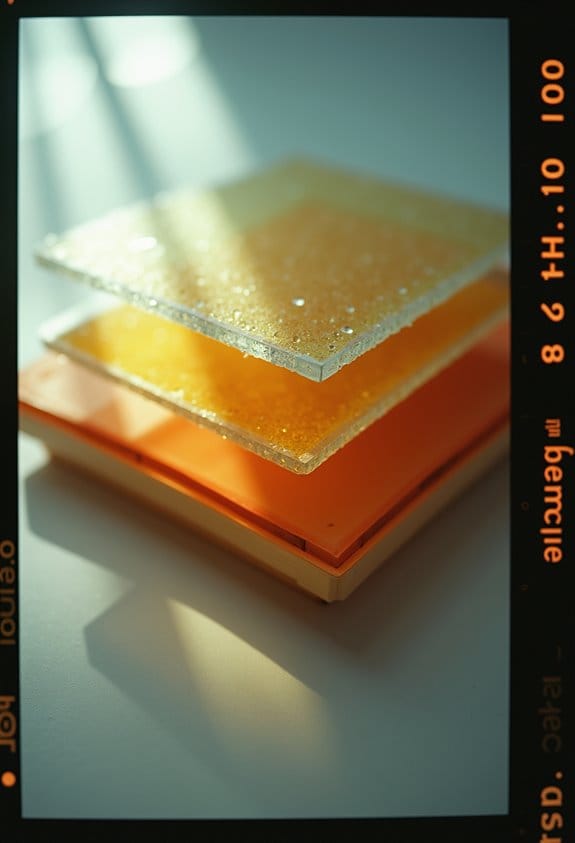
Hey there! If you’re into photography, you might be curious about how to make sure your instant film lasts as long as possible. Instant film typically stays good for about two years from when it’s made, but there are a few factors that can really affect its lifespan.
First off, temperature matters a lot. You want to store your film in a cool, dry place—think of it like how you’d keep chocolates away from heat to prevent them from melting. If your film gets exposed to too much light or moisture, it can start to fade or lose its vibrant colors. Also, be mindful of how much you handle it; even just letting fresh air get to it can cause deterioration over time.
For instance, if you’ve got some unexposed film sitting in your fridge, it could still work fine after several years as long as you keep it in the right conditions. However, don’t expect too much from expired film; the results can be a real mixed bag. So, the best way to ensure you capture those beautiful moments is to store your film carefully. Speaking of capturing memories, let’s talk about how to get the best shots with your instant camera!
Additionally, keeping your prints face down during development helps protect the image and improves photo quality as they develop.
Recommended Products

Outside dia.: 33mm, Inner dia.: 30mm, Height: 54mm

Secure Lid: These empty storage containers are well made, convenient with tight fitting lids, not coming off by accident, its toothed edge managing to grab the lid edge and pop it off.

Useful: You can keep and use film canisters easily, the lid on the top makes them airtight, you don't have to worry about the item falling out, you can put items in them without worry, these film canisters will bring convenience to your life.
Signs of Expired Instant Film

Hey there! So, let’s chat about the signs of expired instant film. If you’ve ever snapped a picture and noticed odd color shifts or a grainy look, that’s your film giving you a heads up that it’s past its prime. When film expires, it often struggles to develop evenly, resulting in muted colors and a fuzzy finish.
For instance, you might find that your once-vibrant portraits now sport funky, unexpected hues or that your landscapes look more like they’re shrouded in mist than bursting with clarity. Plus, if you see any physical warping on the film, that’s a sign it won’t develop nicely.
To make the most of your memories captured on film, consider digitizing your favorite shots before they lose even more quality. By staying on the lookout for these signs—like fading colors or strange textures—you can save yourself some disappointment and keep your photographic journey thriving! Remember, proper storage and usage guidelines can help extend the life and quality of your instant film.
Recommended Products

INSTAX COMPATIBILITY: Use our film with your Fujifilm Instax Mini cameras including the Mini 12, Mini 11, Mini 9, Mini 8, Mini 7+, Mini 40, Mini SP-2, Mini Link, Mini 90, Mini 70, Mini 40, Mini Hello Kitty, Polaroid PIC 300 and other Instant Film Cameras!
Total Privacy, Natural Light: Our frosted window film blocks prying eyes and barking dogs while letting soft, natural light brighten your space. Enjoy 24/7 privacy without sacrificing natural illumination

INSTAX COMPATIBILITY: Use our film with your Fujifilm Inst Mini cameras including the Mini 12, Mini 11, Mini 9, Mini 8, Mini 90, Mini 70, Mini 40, Mini Hello Kitty, Polaroid PIC 300 and other Instant Film Cameras!
Best Storage Practices for Instant Film
Hey there! If you want your instant film to capture those beautiful memories for years to come, proper storage is key. Think of it this way: just like you wouldn’t leave chocolate in a hot car, you shouldn’t expose your Polaroid film to direct sunlight or high heat. Ideally, you want to keep it in a cool, dry spot where the temperature stays between 5°C and 40°C.
If you’re in a warm climate, consider popping the film in the fridge to keep it safe. Just remember, before you start snapping away, let it warm up to room temperature. This little step helps ensure the film works its best. And when you’re storing unopened film, lay it flat in a dry area to avoid any nasty warping. To add extra protection, using film pouches or acid-free storage solutions can help shield your precious film from light and humidity.
Using archival-quality sleeves is an excellent way to maintain film quality while preventing deterioration.
These simple steps can really extend the life of your instant film so it’s ready when those special moments come around. So, let’s keep talking about how to get the best results once you’re ready to use that film!
Recommended Products

Holds seven 35mm strips of 6 frames, 42 frames total.

Material: PP plastic shell Non-toxic, acid free.

Material: Film album made from PP plastic shell Non-toxic, acid free. negative page made from polyethylene.
Comparison of Fresh vs. Expired Instant Film
Hey there! Let’s chat about instant film—specifically, the difference between fresh and expired options. Fresh film, like that Polaroid you grab off the shelf that was made in the last year, gives you vibrant colors and crisp images. You know how when you take a shot, the colors pop and the details are sharp? That’s the magic of fresh film!
On the flip side, expired film can be a bit of a wild card. Since it’s past its prime, the chemicals can start to break down, which might lead to less saturated colors and blurry pictures. For instance, if you use a pack that’s been sitting in a hot attic for a couple of years, you might end up with a set of nostalgic, yet oddly colored photos. It can still be fun for creative projects though, adding a quirky touch to your shots. Just remember that testing expired film can yield surprising aesthetics due to the chemical changes in the film’s composition.
Recommended Products

For Instax mini instant cameras

Designed for use with Fujifilm Mini Series cameras

Designed for use with Fujifilm instax mini series cameras
Preserving Instant Film Post-Exposure
Hey there! So, you’ve captured some fantastic moments on instant film, right? Now, if you want to keep those developed prints looking great over the years, it’s super important to think about preservation. First off, be sure to store your prints in a cool, dry spot and keep them out of direct sunlight to prevent any fading or distortion.
When you’re handling those photographs, try to use clean, dry hands or even put on some cotton gloves. This little step helps avoid transferring any oils from your fingers, which can mess with the image quality. If you’re looking for smart storage options, consider using albums or boxes made from acid-free materials. This way, your photos are protected from environmental factors that could cause damage.
Additionally, if you really want to showcase some of your favorite prints, think about framing them with UV-protective glass. This glass can block out harmful rays, keeping your memories looking fresh and vibrant. By following these simple tips, you’ll be able to enjoy your instant film treasures for years to come!
Now that you have a handle on preserving those prints, let’s talk about displaying them in a fun and creative way! Choosing a photo album with side-loading pockets can help keep your images secure and in excellent condition while allowing easy access.
Frequently Asked Questions
Why Does Instant Film Expire?
Instant film expires mainly due to chemical composition changes from temperature effects, humidity impact, and light exposure. We need to evaluate storage conditions and packaging integrity to maximize its shelf life and adhere to usage guidelines.
Does Expired Instant Film Still Work?
Absolutely, expired instant film can work! While the quality might decline, the benefits of creative experimentation lead to unique outcomes. We cherish those vintage photography moments that capture unexpected photographic memories and enhance our developing techniques.
How Long Is Expired Film Good For?
Expired film’s good for a few months to a couple of years, depending on storage conditions. We’ve found temperature effects and chemical composition really impact expired film quality and photo longevity, affecting our shooting techniques and experiences.
How Long Does the Instax Film Last?
Instax film thrives for about two years when stored cool and dry. We should remember, light-sensitive film needs careful handling; exposure and temperature can fade colors, affecting our cherished memories’ quality during the development process.