As an Amazon Associate, we earn from qualifying purchases. Some links on this site are affiliate links at no extra cost to you. Our recommendations are based on thorough research and editorial judgment.


When to Use Flash Vs Natural Light on Instant Cameras

When we’re using instant cameras, knowing when to use flash or natural light is essential. Flash works great in dim settings or to freeze motion. It helps brighten our photos and adds clarity. On the other hand, natural light, especially during golden hour, creates beautiful, warm tones and rich colors. We should balance both for stunning portraits and outdoor shots. Exploring these options can really enhance our photography game as we capture those special moments.
Key Takeaways
- Use flash in low-light conditions or indoor settings to enhance clarity and freeze motion effectively.
- Natural light, especially during golden hour, creates soft, warm tones that improve skin quality and overall image aesthetics.
- Balance flash with natural light for outdoor portraits to soften harsh shadows and add depth.
- Experiment with flash angles and intensity to create different effects, enhancing the mood of the photo.
- Familiarize yourself with both techniques to elevate your photography skills and capture genuine, vibrant memories.
Understanding Instant Cameras and Their Features

You may be interested



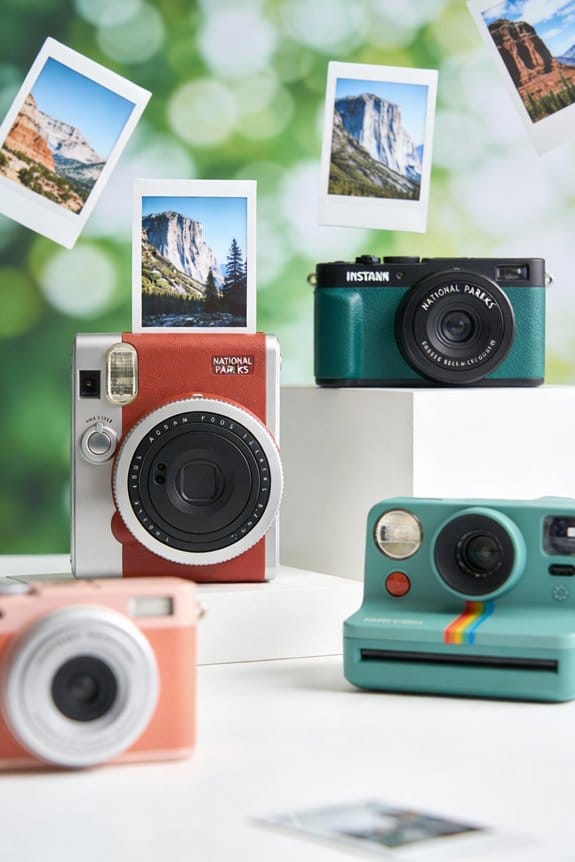
Hey! So, you know how capturing those spontaneous moments can be magical? That’s where instant cameras come in, like the Fujifilm Instax and Polaroid. These cameras use self-developing film, which means you snap a photo and, voila, it develops right before your eyes! It’s a fun twist on traditional photography.
Now, most of these instant cameras come with fixed apertures and shutter speeds, which means you don’t have a ton of manual control. What this really means is that you need to pay attention to your lighting. For example, if you’re taking pictures at a birthday party with dim lighting, the built-in flash can really help brighten up those shots. Some of the newer models automatically adjust the flash based on how much light is around, so you get that perfect glow without trying too hard.
Oh, and here’s a tip: if you can, try snapping photos in bright natural light! Those tend to turn out clearer and with more vibrant colors compared to flash photos. It’s all about making the most of your settings. So, whether you’re at a picnic or a friend’s get-together, knowing how to use your instant camera can make all the difference in capturing those memorable moments. Want to learn more about specific models or tips? I’ve got you covered!
Additionally, choosing the right film compatibility ensures you get vibrant colors and sharp details tailored to your camera model.
Benefits of Using Flash in Instant Photography

You know, using flash in instant photography can really change the game, especially when you’re dealing with tricky lighting. For example, if you’re at a party with dim lights, popping on the flash can brighten up your photos and make sure your friends’ faces shine. It’s not just about adding light; it also helps to freeze action, so if your buddy is dancing like there’s no tomorrow, you’ll capture them in all their glory without blur.
Controlling the flash means you can direct light where you want it. This can give your portraits depth and make them visually exciting. Imagine taking a portrait of a friend outdoors at sunset; the flash can fill in any shadows on their face, giving you that perfect balance of light.
In a nutshell, using flash in your instant photography can really enhance your shots and make them pop. So next time you’re snapping away in a tricky lighting situation, don’t hesitate to turn that flash on! It could mean the difference between a good photo and a great one. Many Fujifilm Instax Square cameras, such as the SQ1, come with a built-in flash specifically designed to optimize photo quality in low light conditions.
Advantages of Natural Light for Instant Photography

You know, natural light can be a real gem for instant photography. I mean, think about it – when you’re out snapping pictures, the right lighting can make all the difference. Natural light is super accessible, and it gives your photos that soft, diffused look that instantly elevates their vibe. Plus, it’s great because you can see how the light plays on your subject right then and there, which makes composing your shot so much easier.
One of my favorite times to shoot is during the golden hour – that magical time right after sunrise or just before sunset. The warm tones during this time really bring skin tones to life, making your subjects look vibrant and lively in those instant photos. And let’s not forget, you don’t have to lug around extra gear like flashes. It keeps everything simple and enjoyable while you’re out capturing moments.
Ultimately, photos taken in natural light reveal the true colors and textures of the scene. You end up with images that feel more genuine and dynamic. So why not step outside and make the most of that beautiful daylight? It can really transform your instant photography experience!
When to Choose Flash Over Natural Light
Hey there! Ever wondered how to snap amazing photos even when the lighting isn’t great? Well, choosing flash over natural light is often the way to go in those tricky situations. For instance, if you find yourself in a dimly lit room at a party, using flash can brighten up your friends’ faces, so they shine in the photo instead of disappearing into shadows.
Another scenario is when you’re photographing kids running around in the park. A quick flash can freeze their motion, resulting in sharp, clear shots instead of blurry ones caused by natural light. Plus, if you’re outdoors on a sunny day, your flash can fill in those harsh shadows on faces, making everyone look their best.
With flash, you also get to control where the light comes from, allowing you to create mood and depth in your photos. It’s a fantastic tool that can really improve your photography, especially when the light doesn’t cooperate. Now, let’s talk about how to use your flash effectively for the best results! Polaroid Snap cameras often feature a built-in flash that complements their instant printing technology, perfect for capturing spontaneous moments.
Ideal Conditions for Utilizing Natural Light
Hey, have you ever thought about how natural light can transform your photography? It’s amazing how much magic happens when the lighting is just right. For instance, during those golden hours right after sunrise or before sunset, the sunlight takes on a warm, soft quality that can really enhance your portraits. You’ll notice that the colors pop and the mood feels inviting.
On overcast days, you get another kind of beauty with diffused natural light. This softens everything, helping to minimize those harsh shadows that can be a pain when shooting outside. If you ever find yourself in a dimly lit space, try positioning your subject near a window or another well-lit area. It makes a world of difference in how they are illuminated, even in lower light settings.
And you know what’s great? Natural light tends to bring out true colors, so you won’t have to worry about those strange color casts that can sometimes creep in with artificial lights. Just keep an eye on changing weather, as it can impact exposure and clarity in your shots. Pay attention, and embrace the beauty of these natural moments—you’ll be amazed at what unfolds in your photography!
For the best results, consider using instant cameras with automatic exposure settings to perfectly balance light and shadow without extra effort.
Tips for Balancing Flash and Natural Light
Hey there! Have you ever found yourself wondering how to strike the perfect balance between flash and natural light in your photos? It’s a great question! First off, using flash can really save your shots when you’re in low-light situations or shooting indoors—those instant cameras just don’t do well in dim light.
Now, when you’re outside, try tapping into the magic of golden hours, which are those lovely early mornings or late afternoons. The light is so soft and warm during these times, making your images glow beautifully. If you’re shooting in bright sunlight and notice harsh shadows creeping in, don’t hesitate to pop your flash. It can really help soften those shadows and give your overall exposure a nice, even look.
Mixing flash and natural light can add a ton of depth, especially in portraits. For instance, if you’re photographing someone in the outdoors with a bright backdrop, use the flash to illuminate their face without washing them out. Just remember to play around with different flash settings and angles—trial and error can lead to some amazing results. Adding color lens filters can further enhance your photos by changing the mood and artistic style when balancing light sources.
Creative Effects With Flash in Instant Photography
Getting great shots with instant cameras isn’t just about mixing flash with natural light; it’s a whole creative adventure with flash! Think about how flash can really freeze a moment—like capturing your friend mid-jump at a party. It keeps the image sharp, even when things are moving fast, which is perfect for those action-packed scenes.
In lower light, flash does wonders too. It brightens up the scene, making colors pop and adding contrast, which makes your photos more vibrant. For example, if you’re taking a portrait, the right flash can highlight your subject’s features and even bring out amazing textures in their skin and clothing. Plus, by tweaking the flash’s intensity or angle, you can manage how shadows fall, adding a nice depth to your pictures.
Don’t forget about using gels with your flash! This simple trick lets you play around with different colors, giving your photos a unique flair. Imagine taking a shot against a sunset and adding a hint of blue or pink with a gel—how cool is that? So, don’t shy away from using flash in your instant photography. It can help you create eye-catching effects that really make your images shine! Using tools like Instant Camera Rubber Stamps can complement your photography by adding creative impressions to your printed photos.
Practical Techniques for Outdoor Instant Shoots
Outdoor instant shoots can be a bit tricky, especially with all those changing light conditions, but don’t worry! There are some simple techniques we can use to make sure our photos turn out stunning. For instance, have you ever tried using flash on overcast days or late afternoons? It really helps to brighten your subjects and can make a huge difference.
Setting up an off-camera flash is another great way to create that dynamic lighting we all love. Think about it—when you position the flash away from the camera, it helps separate your subject from the background, adding a nice depth to your photos. If you’re shooting portraits, using a diffusion filter on the flash can soften the light and avoid those harsh shadows that can make photos look a bit unflattering.
Now, when you’re in shaded spots, especially under trees or awnings, that flash becomes super important to ensure you get a proper exposure. A little tip: try to underexpose your shots just slightly. This way, you can keep your highlights from blowing out while ensuring your subject is well lit. With these techniques, your outdoor photography will pop, making every shot count!
For displaying your prints, consider using durable bulletin board materials which help keep your photos vibrant and intact outdoors.
Now that we’ve got the lighting down, let’s chat about composition next—it’s just as crucial for those unforgettable shots!
Personalizing Your Approach: Flash vs. Natural Light
When you’re deciding between flash and natural light for instant photography, it really boils down to the lighting conditions and the kind of mood you want to set. For example, if you’re shooting indoors or when the sun’s starting to dip, flash helps make your subjects pop and keeps them sharp. On the flip side, natural light during golden hour—when the sun is low and soft—can create those beautifully flattering and warm tones that everyone loves.
Flash can also come in handy on bright, sunny days. It’s great for filling in those pesky shadows, especially on people’s faces, so you get a more even exposure. Think about those classic summer picnics: a quick flash here can turn a bright day into something even more vibrant, while natural light gives you softer, dreamier shots.
Ultimately, your style should guide your choice. Try both methods and see which one feels right for the vibe you want to capture. Each has its own strengths, and getting familiar with both will definitely elevate your instant photography skills. Now, let’s talk about how to balance these techniques for that perfect shot! Additionally, for showcasing your instant photographs beautifully, using a wall mount camera shelf can effectively highlight your captured memories while saving space.
Frequently Asked Questions
When to Use Flash on Instant Camera?
We should use flash on our instant camera in low light, for fast-moving subjects, or against strong backlighting. Flash techniques can enhance color accuracy and create dynamic portraits, ensuring our photos truly shine.
When Should I Use the Flash on My Disposable Camera?
We should use the flash settings indoors or during twilight, capturing vibrant moments against shadows. In bright daylight, it helps reveal details, balancing our photos’ exposure while avoiding silhouettes that might misrepresent our cherished memories.
When Should You Use the Flash on a Camera?
We should use the flash on a camera when artificial illumination is necessary, like in low-light situations or when subjects are backlit. It enhances clarity, captures motion, and can creatively shape our photos.
When and When Not to Use Flash on Film Camera?
Imagine capturing a sunset; we’d choose natural lighting for that warm glow. Yet in dim rooms, let’s embrace flash to brighten our subjects. We shouldn’t forget, though: too much flash can ruin the mood.