As an Amazon Associate, we earn from qualifying purchases. Some links on this site are affiliate links at no extra cost to you. Our recommendations are based on thorough research and editorial judgment.

What Makes Instant Photography Different From Digital

Instant photography stands out from digital photography mainly because it captures moments instantly in a physical format. We love how each print offers a tangible reminder of our memories, often featuring unique colors and characteristics due to the chemical development process. Unlike digital photos, which can be edited, instant prints have a surprise element, making each shot special. However, instant photography may yield inconsistent image quality. Let’s explore more about its charm and the differences in equipment and artistic expression!
Key Takeaways
- Instant photography produces tangible prints within minutes, while digital photography stores images electronically for later viewing and sharing.
- Each instant film pack has a limited number of exposures, encouraging thoughtful composition of each shot, unlike the limitless clicks of digital cameras.
- Instant prints develop through a chemical process, resulting in unique characteristics and unpredictability, while digital images rely on electronic sensors for consistent quality.
- The nostalgic and artistic vibe of instant prints contrasts with the polished and editable nature of digital photography, creating a distinct emotional connection.
- Instant photography fosters engagement and sharing through physical prints, while digital images often lead to scrolling through numerous files on screens.
Understanding Instant Photography

You may be interested



Hey there! When you think about instant photography, it’s hard not to feel a rush of excitement, right? Polaroid really kicked off this beautiful art form, letting you take a photo and have a printed copy in your hands within just a few minutes. It’s so different from snapping a digital pic that you just share online—instant photography gives us something we can touch and hold, which feels so special.
What’s really cool about instant cameras is the self-developing film they use. This film creates images with these soft colors that give them a unique vibe. Plus, the smaller print size makes them super collectible! You know how sometimes you take a hundred photos but only want to keep a few? With instant photography, the limit on exposures per pack encourages you to think carefully about each shot. You’ll focus more on how you frame your picture or the moment you want to capture.
In a world where many of us seek genuine connections and a bit of nostalgia, instant photography stands out as a fun, creative option. It adds a little magic to the everyday moments we want to remember. Got an event coming up? Think about documenting it with instant photos—you’ll be surprised at how much joy those little prints can bring! Remember, film compatibility is crucial to get the best results from your instant camera and film.
The Development Process

Hey there! Have you ever looked into the development process of instant photography? It’s really captivating how chemical interactions work to turn fleeting moments into physical photos right before our eyes. Unlike digital photography, which relies on pixels, instant photography uses self-developing film. This means you can actually see your image materialize in just a few minutes!
So, how does this work exactly? Well, the film is made up of several layers, each loaded with different chemicals. When you take a photo, light hits the film and triggers these reactions, creating unique prints with their own colors and textures. For example, the famous Polaroid film isn’t just about capturing a moment; each print has a distinct quality that you can’t replicate without snapping another shot.
Oh, and did you know that there’s a protective layer involved, too? It helps shield the photo from light while it’s developing, ensuring it comes out just right. Instant prints are special not just because they’re tangible, but because they provide a sense of immediacy and originality that digital images often lack. They give us a delightful way to cherish memories quickly, capturing life as it happens. Speaking of capturing life, let’s explore how these prints can spark creativity in storytelling! Additionally, the development time typically ranges from 6 to 15 minutes, during which protecting the photo from bright light is crucial for optimal results.
Physical Output of Instant Prints

You know how sometimes you take a photo and then have to wait forever to see it printed? Well, instant photography totally changes that! Cameras like Polaroid or Fujifilm Instax can spit out physical prints in just a few minutes. So, instead of waiting days, you get to hold your memories right away.
What’s really cool about instant prints is their unique look. Each photo comes with a distinctive border, and the colors might surprise you because they develop chemically on the spot. Imagine capturing a moment at a party and having that quirky, one-of-a-kind print to share with friends right there—it’s just so much fun!
Plus, because these prints are tangible, they encourage sharing in a way that digital photos often don’t. You can pass them around, pin them on a wall, or stick them in a scrapbook. It’s a lovely way to relive moments together. So, next time you’re thinking about capturing a special moment, consider going instant—it really adds a personal touch!
To keep those instant photos clear and beautiful, it’s important to protect the camera lens using tools like a camera blower brush that removes dust without scratching.
Nostalgia and Tangibility
You know how nostalgia really hits differently with instant photography? It pulls us back to those simpler times when things felt a bit more tangible. There’s something about holding a physical photo in your hand—like those Polaroids taking just a few minutes to develop—that digital images just can’t replicate. You can’t help but smile at the soft textures and those retro colors that scream memories of days gone by.
When you think about it, digital photos often just sit on our screens, right? But with instant prints, you get to create little treasures that you can share or display. For instance, imagine pulling out a photo from your last family gathering, and everyone gathers around to relive that moment. It makes you really feel connected, doesn’t it? Those little prints serve as more than just images; they’re little reminders of life’s joy and simplicity, capturing moments as they happen. To keep those precious instant camera lenses spotless and ensure your photos come out crystal clear, using air dusters for cleaning can be a game changer.
Unpredictability and Surprise
You know what’s so exciting about instant photography? It’s all about the unpredictability and surprise! Unlike digital photography where you can snap a shot, check it, and hit delete if it doesn’t look right, instant photography adds an element of suspense. When you take a picture with an instant camera, you just have to wait for the photo to develop before you truly know what you’ve captured.
Think about it: you press the button, and then there’s this magical moment where you don’t know how things will turn out. The colors might come out in ways you didn’t expect, or you could get some cool light leaks that add character to the picture. Just the other day, I took a photo at a park, and I couldn’t believe how the vivid greens turned into a beautiful palette of yellows and blues as it developed! Those little surprises make each photo feel special and unique.
What’s more, the waiting part really builds excitement. You’ll find yourself discussing with your friends what the final image might be like, which creates a memorable moment in itself. It’s kind of like unwrapping a present! While digital photos can be reproduced endlessly, each instant shot stands alone, capturing a genuine moment in time. It’s this unpredictability that makes instant photography truly enchanting. Now, let’s chat about how you can make your instant shots even more personal and creative!
To keep your instant camera safe and well-organized while capturing these moments, consider using instant camera pocket organizers designed to protect your gear and add convenience on the go.
Comparison of Image Quality
Hey, have you ever noticed the difference in image quality between instant photography and digital photography? It’s pretty interesting! Instant cameras tend to produce images with lower resolution, which means you might not catch all the fine details that make a great photo pop. For example, if you’re snapping a picture at a family gathering, the little facial expressions and textures in your background might get lost in an instant print.
Plus, there are environmental factors at play. Instant photos can change based on the temperature or lighting, leading to some unexpected results—imagine a photo turning out too dark or washed out, while with digital photography, you usually don’t have that issue. And let’s not forget about editing! With digital photos, you can easily tweak colors, brightness, and more, so you end up with exactly what you want. Instant prints are charming and have their own artistic vibe, but when it comes to getting that sharp, stunning image quality, digital cameras really take the lead. Additionally, the display of instant photos can be enhanced creatively using LED photo clip fairy lights, which add a warm, nostalgic ambiance to physical prints.
Instant Sharing vs. Delayed Review
Capturing a moment isn’t just about snapping a picture. It’s also about how we experience that moment later on. With instant photography, like using a Polaroid camera, you get the excitement of holding a physical photo just moments after you take it. That’s a pretty unique feeling compared to scrolling through endless digital images on your phone, which we often forget to appreciate.
When you take a shot with an instant camera, you’re limited by the number of photos you can take, so you tend to think more carefully about each one. You might find yourself waiting for the perfect smile or the right lighting, forging a deeper emotional connection with every print. On the flip side, digital photography allows you to instantly review and delete images, which is great for improving your skills through practice. You can snap away, analyze the results, and learn as you go.
Additionally, using accessories like photo albums can enhance how you showcase and preserve these physical memories.
Ultimately, choosing between instant and digital photography is all about your personal style. Are you someone who cherishes those tangible prints, or do you prefer the flexibility of reviewing shots later? Understanding how each method impacts your photography journey can help you grow as a photographer, no matter which path you take.
Artistic Expression in Instant Photography
You know, there’s something truly special about the charm of artistry found in instant photography. It’s a unique way to capture moments that makes each image feel personal and alive. Unlike digital photos that can be polished until they look perfect, instant photography gives us a physical print right away, with all its vibrant colors and delightful quirks. These little imperfections remind us of the beauty of the moment we’re capturing, don’t you think?
One of the coolest things about instant photography is how unpredictable it can be. Factors like temperature and film chemistry can change how a photo turns out, which means we really have to think carefully about things like composition, lighting, and timing. For instance, I always find myself considering the way the light hits my subject or the angle I’m shooting from because every shot counts—with just a limited number of exposures in each pack. This limitation makes me feel more connected to each photograph, like every click of the shutter has purpose.
Ultimately, instant photography is more than just taking a picture; it’s about creating a tangible memory that reflects our creative journey. It’s that irreplaceable artifact that tells a story, capturing a fleeting moment in time we can hold in our hands. Now, if you’re curious about how to get started with instant photography, let me share some tips on picking the right camera and film for you! When choosing, consider the film speed and exposure counts to match your shooting style and lighting conditions for the best results.
Equipment Differences
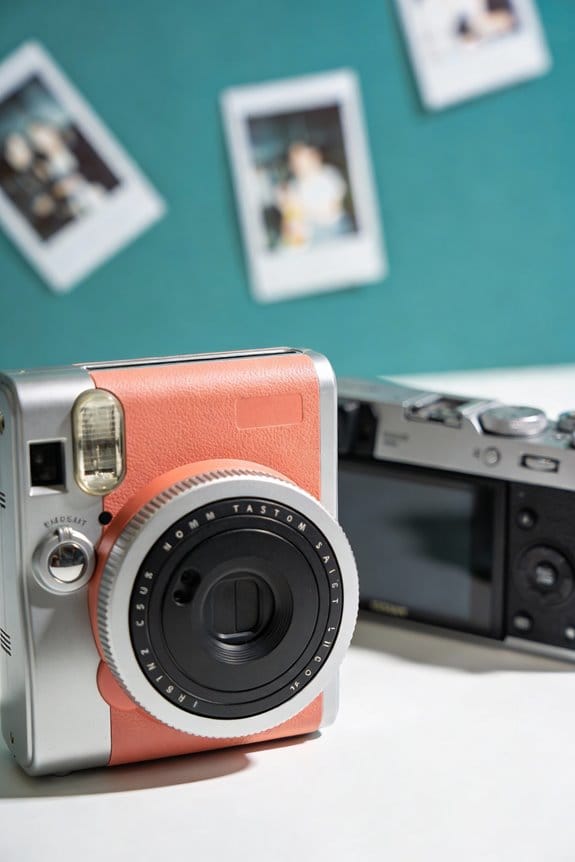
Hey there! Let’s chat about how equipment can totally shape your photography journey. You know, instant cameras and digital cameras have some major differences that can really affect how you capture those special moments. For instance, instant cameras use special film packs that develop on the spot, while digital cameras capture images using electronic sensors that turn everything into pixels—pretty neat, right?
Now, instant cameras usually come with a fixed lens and not many manual controls, which can limit your creativity a bit. A great example is the classic Polaroid—easy to use, but you don’t get to play with the settings much. On the flip side, digital cameras let you swap out lenses and adjust a ton of settings, giving you the freedom to experiment. Imagine shooting with a wide-angle lens at a landscape versus using a telephoto lens for a close-up of a flower; the possibilities are endless!
When it comes to costs, instant photography can get pricey since each shot depends on buying those film packs. On the other hand, while digital photography requires some upfront investment for the camera and memory cards, once you have that gear, you can take thousands of photos without additional costs. Oh, and speaking of instant gratification, with instant photos, you get to hold a physical picture just minutes after snapping it, while with digital, you’ll need to take your time to process them before they’re ready.
Additionally, instant cameras typically feature automatic exposure and built-in selfie mirrors, which simplify use for casual and beginner photographers.
Understanding these differences really helps you figure out what suits your style best. Are you more into that immediate nostalgia of holding a printed photo, or do you prefer the flexibility that a digital setup offers? It’s all about what feels right for you!
The Future of Instant Photography
Hey there! You know, instant photography is really shaping up to be quite an exciting area these days. When you think about instant film cameras, like the popular Fujifilm Instax or Polaroid, it’s clear that people are gravitating towards the idea of having something physical to hold onto, especially in our digital-heavy lives. It’s all about capturing those moments in a tangible way!
What’s even more interesting is how camera makers are adapting to our world’s environmental challenges. They’re starting to experiment with things like biodegradable film options, which is great for eco-conscious folks. For example, imagine being able to snap a photo and not having to worry about it being harmful to the planet in the long run. It’s a perfect blend of the classic instant photography we love, with a fresh focus on sustainability.
Plus, there’s nothing quite like the magic of sharing a print with a friend right after pulling it from the camera. That immediate connection enhances our experiences and makes moments feel even more special. With a growing community of enthusiasts, it’s clear that instant photography is not just surviving but thriving. You can’t help but feel optimistic about where this unique art form is headed. Who knows, the next time you take a photo, it might come with an added eco-friendly twist!
Many of the best instant films offer ISO 800 ratings that ensure vibrant colors and sharp images, making each physical print truly stand out.
Frequently Asked Questions
What’s the Difference Between Digital Photography and Photography?
Did you know that over 1.4 trillion photos were taken worldwide in 2020? Digital photography relies on pixels, while traditional methods use film format, leading to unique prints and a more thoughtful photography process.
What Is the Point of an Instant Camera?
The point of an instant camera is to capture an instant experience. It allows us to create tangible memories quickly, encouraging creativity and spontaneity while offering a unique, hands-on approach to storytelling through photography.
What Distinguishes Digital Photography From Traditional Photography?
Digital photography’s convenience lets us capture countless images, unlike traditional film’s distinctive characteristics, where each shot’s unique. Did you know that over 90% of photos taken today are digital, showcasing its profound impact?
What Makes Digital Photography Better Than Traditional Photography?
Digital photography’s advantages include instant review and editing, minimizing film limitations we faced. It encourages creativity, offers high-quality images in diverse conditions, and allows hassle-free storage and sharing, making it a superior choice for modern photographers.