As an Amazon Associate, we earn from qualifying purchases. Some links on this site are affiliate links at no extra cost to you. Our recommendations are based on thorough research and editorial judgment.


Reading Instant Film Package Information

When we look at instant film packaging, we need to check the film type first, like Instax Mini or Polaroid 600. Compatibility is key; using the right film guarantees good photos and camera safety. Next, we should handle the film carefully—keep it clean and cool, and always match yellow markers when loading. Expiration dates matter too; expired film can lead to poor results. For more tips on best practices, we can explore further resources.
Key Takeaways
- Check the film package for compatibility information, ensuring it matches your camera type (Mini, Square, or Wide for Instax; 600, i-Type, or SX-70 for Polaroid).
- Look for indicators on the film pack, such as yellow markers, to align correctly when loading in the camera.
- Review expiration dates on the packaging to avoid using film that could lead to poor image quality or faded results.
- Pay attention to storage instructions, ensuring unexposed film is kept in a cool, dry place away from direct sunlight.
- Note the available styles (colorful, black-and-white) as well as any special features indicated on the package for enhanced creativity.
Understanding Instant Film Types

You may be interested


Hey! So, if you’re exploring instant film, you’ll be excited to know there are three main types: Instax Mini, Instax Square, and Instax Wide. Each one has its own personality and style, making them perfect for different photography moments.
Let’s chat about Instax Mini first. This type is about the size of a credit card, which makes it super handy for snapping quick photos of everyday activities. For example, if you’re at a party or just hanging out with friends, you can whip out your Instax Mini camera and capture those spontaneous moments instantly.
Next up is Instax Square. This film gives you that classic square format, which is really fun for portraits or those beautiful landscape shots. It’s versatile enough to let you play around with your composition. Imagine capturing a stunning sunset or your friend’s joyful expression in that perfect symmetrical frame.
Finally, we have Instax Wide. If you love group photos or showcasing expansive views, this is your go-to. The larger images really bring out the details, making it great for family gatherings or scenic shots at events. Each film type also comes in various styles, like colorful or black-and-white, so you can choose what fits your vibe.
Just remember, to keep things running smoothly, match the film type with your Instax camera. That way, you’re guaranteed to capture those beautiful moments exactly how you want! Speaking of capturing memories, let’s talk about some fun ways to display those photos once you’ve got them! To protect and store your instant camera safely when you’re out and about, consider using instant camera soft pouches designed for shock absorption and dust resistance.
Recommended Products

For Instax mini instant cameras

Designed for use with Fujifilm instax mini series cameras

Designed for use with Fujifilm Mini Series cameras
Importance of Compatibility

Hey there! So, you know how fun it is to capture those unforgettable moments with instant film? It really is fantastic, but we’ve got to talk about film compatibility for a minute. If you’re using a Polaroid camera, there are different film types like 600, i-Type, and SX-70, and each one is made for a specific camera model. If you accidentally load the wrong film, it could mess with your image quality or, worse, damage your camera. Ouch!
Now, if you’re an Instax fan, the same rules apply. You’ve got to choose the right Instax film format—whether it’s Mini, Square, or Wide—based on your camera type. It’s super important to check the film packaging for compatibility info. Not only does this prevent any frustrating loading issues, but it also makes sure you get the best results from your photo sessions.
Understanding film compatibility means you can confidently make the right choices for your instant cameras. This way, you’re all set to capture those special moments in the best way possible! Speaking of capturing moments, let’s chat about some tips for taking amazing photos with your instant camera. Remember that each film type generally has a specific ISO rating that matches the camera’s exposure needs.
Recommended Products
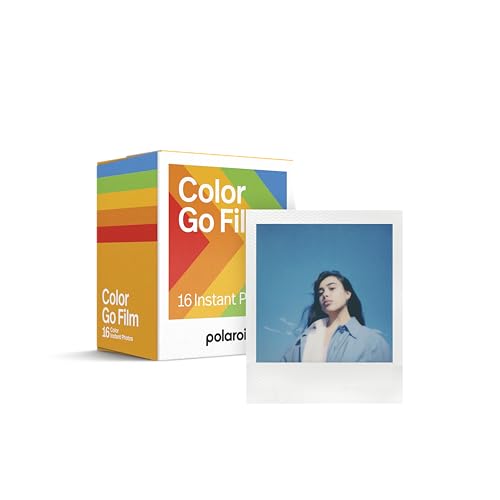
MINI FILM ONLY COMPATIBLE WITH POLAROID GO: The Polaroid Go only uses Polaroid Go format films. The same Polaroid you know and love, only smaller. Go Film is not compatible with full size Polaroid I-Type Now Cameras

INSTAX COMPATIBILITY: Use our film with your Fujifilm Instax Mini cameras including the Mini 12, Mini 11, Mini 9, Mini 8, Mini 7+, Mini 40, Mini SP-2, Mini Link, Mini 90, Mini 70, Mini 40, Mini Hello Kitty, Polaroid PIC 300 and other Instant Film Cameras!

CRISP, CREDIT CARD-SIZE INSTANT PRINTS: Capture Everyday Moments With Fujifilm Instax Mini Film, The Trusted Instant Film For Bright, Sharp, Credit Card-Size Photos With Clean Detail And Classic White Borders. This Instax Mini Film Is Ideal For Fujifilm Camera Users Who Want Reliable Camera Film For Parties, Travel, Scrapbooks, And Memories From Their Favorite Instant Film Cameras And Mini Instant Camera Setups.
How to Properly Handle Film

Hey there! If you’re getting into instant film photography, handling film properly is key to getting those beautiful shots you’re after. First off, always make sure your hands are clean and dry when you’re dealing with the film packages. You’d be surprised how oils or moisture can mess up the film quality!
When you’re not using your instant film, keep it in its original packaging and stow it away in a cool, dry spot. This helps it stay fresh and perform well when you’re ready to take photos. Now, when you load the film into your camera, there’s a little trick: match up the yellow indicators with the marker on the camera. It’s super simple, but it really does make a difference!
Also, try to avoid direct sunlight or extreme temperatures once the film is loaded. I’ve learned the hard way that sunlight can start the development process too early and ruin your shots. And remember, don’t open that film pack until you’re ready to shoot—exposing unexposed film is a quick way to waste it!
Taking care of your film can truly elevate your photography game. Speaking of which, ISO ratings play a crucial role in how your photos turn out, especially in different lighting environments, so keep that in mind when choosing your film.
Let’s chat about the best ways to set up your shots for instant film!
Recommended Products

🎁Tailor-Made: this camera case is designed for Polaroid Go Generation 2/ Polaroid Go Mini Instant Camera, size: 5.52*4*3.15in(14*10*8cm) (case only, camera and other accessories are not included).

Designed for Fujifilm Instax Mini Instant Film -This mini photo case is perfect for Fujifilm Instax mini credit card size 5.4 x 8.6 centimeters film, compatible with Polaroid 300 or other 3-inch film photos,

【Compatibility】Custom designed for Fujifilm Instax Mini 12 Instant Camera. It will NOT work for any other camera.
Loading Film for Best Results
Hey there! So, if you’re looking to load instant film into your camera for the best results, let me walk you through the process. First things first, when you’re loading the film, make sure those yellow indicators on the film pack line up perfectly with the markers on your camera. It’s like a little puzzle – get those in sync, and you’re all set.
Before you start, though, check if your camera has fresh batteries. A powered camera is key because you need it to eject the dark slide and prep the film. Trust me, there’s nothing worse than getting everything ready only to find out your camera won’t cooperate! Once you’ve got the film loaded, resist the urge to open the pack before you’ve used all your exposures. Opening it too soon could ruin your shots. Just remember, the first time you click the shutter, the dark slide will pop out—let that develop fully before you peek at the results. You want to make sure you get every ounce of goodness from your film!
Also, remember that proper storage of instant film before use is vital to protect quality and ensure optimal development.
And there you go, you’re all set to start capturing those moments! Next up, let’s talk about some tips for actually taking those photos for the best results.
Recommended Products

Includes FujiFilm Mini 12 Camera The Fujifilm Mini 12 Camera features a Fujinon 60mm f/12.7 Lens, Optical Image Viewfinder, Auto Exposure and a Built-In Flash. Instantly produces image prints fun and simple. Fujifilm Mini 12 Camera BUNDLE is Colorful, Fun, Compact and really Cool.

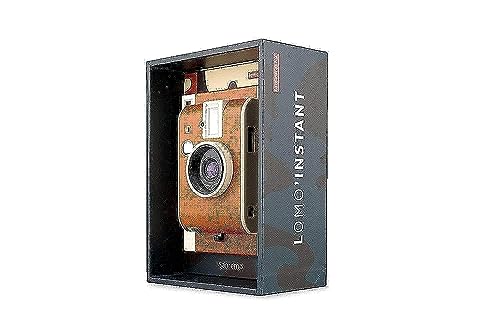
3 Shooting Modes To Cover Every Kind Of Instant
Storage Tips for Unexposed Film
Hey there! If you want to keep your unexposed instant film in top shape, storing it the right way is super important. Always keep the film in its original packaging. That simple step helps shield it from light and humidity, which can mess with the chemicals inside.
Try to stash your unexposed instant film in a cool, dry spot—between 15°C to 25°C (59°F to 77°F) is ideal. For example, a cupboard away from the stove or a dedicated drawer works well. You definitely want to steer clear of high heat and direct sunlight, which can seriously affect the quality.
And here’s a tip: don’t open the packages until you’re ready to take some shots! Exposing the film to light beforehand could ruin it. Lastly, keep an eye on those expiration dates printed on the package; using expired film can lead to some pretty underwhelming results. Remember, knowing how to store your film properly can really help you capture those perfect moments later on! Also, to preserve image clarity and prevent fading, it’s best to select films with fade resistance features when possible.
The Role of Expiration Dates
Hey there! You know those expiration dates on instant film packaging? They’re actually super important for getting the best results in your photography. Essentially, those dates tell you how long you can keep the film stored before you start losing quality. Sure, you can still develop photos taken after the expiration date, but be prepared for some unexpected surprises, like color shifts or less vibrant images.
For example, if you hold onto a pack of instant film for a year past its date, you might find that the colors don’t pop like they used to. To keep your film in tip-top shape, make sure to store it in a cool, dry space and keep it inside its original packaging. Before you grab a new pack, it’s always good to check the expiration date—this little tip can really help you capture those beautiful, vibrant memories. And speaking of capturing memories, let’s talk about some fun ways to use instant film in your next photography project! Using adhesive picture hangers, you can easily display your instant camera photos without damaging your walls.
Preventing Common Issues
When you’re getting into instant film photography, knowing how to prevent common issues can really help you capture those amazing shots. First things first, always check the expiration date on your film! For example, using film that’s past its date can lead to faded colors or blurry images.
Next, let’s talk about loading your film. It’s super important to line up those yellow markers on the film cartridge with the ones in your camera. If they’re not aligned, you might end up with some loading errors that could ruin your whole photo session. And don’t forget about storage—keeping your extra film in a cool, dry place is a must. It helps keep the film fresh and working well.
When you’re loading the film, try to do it away from direct sunlight. Sunlight can mess with your photos before you even take them! If you run into any development issues later on, check if your camera’s working right and make sure the battery is charged. A weak battery can definitely impact how the film develops.
Also, understanding your film’s ISO rating can help ensure you get the best quality images in different lighting conditions.
With these tips in mind, you’ll be well on your way to capturing those stunning images. Happy shooting! And remember, each step you take in the process is a chance to learn and improve along the way.
Maximizing Photo Quality
Maximizing photo quality is more than just knowing how to take a picture—it’s about understanding the little things that can make a big difference. For starters, always check the expiration date on your instant film packaging. Using expired film can really hurt your photos, leading to washed-out colors or blurry images.
It’s super important to store any unused film in its original packaging and keep it in a cool, dry place. Think about it like this: just as you wouldn’t store milk in a hot spot, keeping film away from heat and humidity helps preserve its chemical quality. When you’re loading your film, try to do it in a shaded area to prevent any direct sunlight from sneaking in and messing with your results.
Also, don’t forget about fresh batteries! They’re crucial for a camera that works like a charm. Replace old batteries before a big shoot; you wouldn’t want your camera to die when you’re capturing a once-in-a-lifetime moment. Once your photos are developed, let them sit still while they dry—no shaking or bending—so they come out looking their best.
Understanding these small, practical steps can really elevate your photography. Additionally, paying attention to the film’s ISO rating can ensure vibrant colors and natural skin tones in your prints.
So, what’s next on your photography journey? Maybe we should talk about tips for capturing different types of subjects or lighting conditions!
Resources for Further Learning
Hey! So, if you’re getting into instant photography, you’re in for an exciting ride! Having the right resources really makes a difference in honing those skills. There are tons of online guides that can walk you through the process of loading and using instant cameras, which can be a bit tricky at first. For example, watching a quick tutorial on YouTube can save you from frustrating missteps, such as how to keep the film from jamming.
Also, brands like Fujifilm and Polaroid have awesome newsletters and blogs. They share tips on using their specific film formats, which can be super helpful. Joining social media groups is a great way to connect with others who are just as passionate about instant photography. You’ll find communities ready to share their personal tricks and experiences. Plus, reading educational articles can really help clarify which camera models work best with different film types. It’s also useful to understand film compatibility to ensure the best results with your instant camera.
Frequently Asked Questions
How Do You Know How Much Film You Have Left on Instax?
Like a ticking clock counting down moments, we can easily track our Instax film usage through the film remaining indicators. By checking the film count, we realize when it’s time to grab new film packaging.
What Do the Numbers on the Back of a Polaroid Mean?
The numbers on the back of a Polaroid help us identify production details. By knowing the Polaroid film types and expiration, we can guarantee ideal exposure settings, best image development time, and proper film storage tips.
How to Know When Instax Mini Link 3 Is Fully Charged?
Picture us using a classic flip phone—when the Instax Mini Link 3’s charging indicator turns off, it’s fully charged. We can enjoy about 100 prints per charge with efficient battery life and usage tips for fun!
Can I Open My Instax With Film Inside?
We can’t open the Instax film package without risking exposure. For ideal film storage safety and instant photo quality, let’s make sure we follow proper loading techniques and camera maintenance tips to preserve the film development process.