As an Amazon Associate, we earn from qualifying purchases. Some links on this site are affiliate links at no extra cost to you. Our recommendations are based on thorough research and editorial judgment.


How Humidity Impacts Instant Film Results

Humidity greatly impacts instant film results, affecting both development and image quality. High humidity can lead to foggy images, mold growth, and color fading, while low humidity risks brittle film and uneven results. Ideally, we want humidity levels between 20% and 60%, with 40-60% being ideal for vibrant colors and proper chemical reactions. So, by managing our storage and protecting our film from both high and low humidity, we can guarantee our photos maintain their stunning quality. Excited to learn more?
Key Takeaways
- High humidity causes fogging on instant film, leading to blurry and washed-out images due to condensation and moisture interference.
- Excess moisture absorption disrupts chemical reactions during development, resulting in color shifts and degraded image quality.
- Low humidity can make film brittle, increasing the risk of breaks and uneven development due to insufficient moisture in the emulsion layer.
- Maintaining optimal humidity levels (40-60%) supports vibrant colors and consistent results across different film types while preventing premature aging.
- Proper storage solutions, like airtight containers and silica gel packets, help manage humidity and extend the shelf life of instant film.
Understanding Instant Film and Humidity

You may be interested


Hey there! If you’re into instant film like I am, you’ll want to pay attention to how humidity plays into the whole picture quality thing. High humidity can wreak havoc on your film by causing mold or making colors fade—definitely not what you want for those cherished memories! Ideally, you should aim to keep your instant film stored in an environment with about 50% relative humidity.
Think about your storage spaces: a cool, dry cupboard or a drawer can be a great option! Just remember to keep your film in its original wrapper until you’re ready to use it. This little tip can protect it from excess moisture, which could lead to serious damage that you won’t be able to reverse. By keeping these simple practices in mind, you can help ensure your instant film remains in excellent condition, so your photos come out just as vibrant as the moments you’re capturing.
Also, it’s important to store films in a cool place to avoid bending them during development, which is crucial for maintaining image quality.
Ready to learn how to take the best shots with your instant film? Let’s get into some shooting techniques next!
Effects of High Humidity on Development

Hey there! Let me tell you about how humidity can really impact the development of instant film. If we’re not careful, high humidity can mess with our pictures, leading to issues like fogging. This fogging can make our images come out looking blurry, which is definitely not what we want!
So what exactly happens? Well, the film’s emulsion, which is the layer that helps capture images, can absorb too much moisture when humidity is high. As a result, it disrupts the whole development process. I’ve noticed that sometimes this can even cause color shifts, like unexpected greens or blues in a photo that should be neutral. To keep our film in tip-top shape, storing it in a lower-humidity environment is essential.
When we’re out shooting, it’s just as important to keep the film dry—maybe consider stuffing silica gel packets in your camera bag, as they help absorb moisture. If we keep an eye on the humidity levels during both storage and shooting, we’ll be in a great position to capture those vibrant moments we love. Next, let’s chat about some great tips for protecting our gear in different weather conditions! Using non-toxic, ammonia-free formulas for cleaning camera components can help maintain the quality of your instant film results as well.
The Impact of Low Humidity on Image Quality
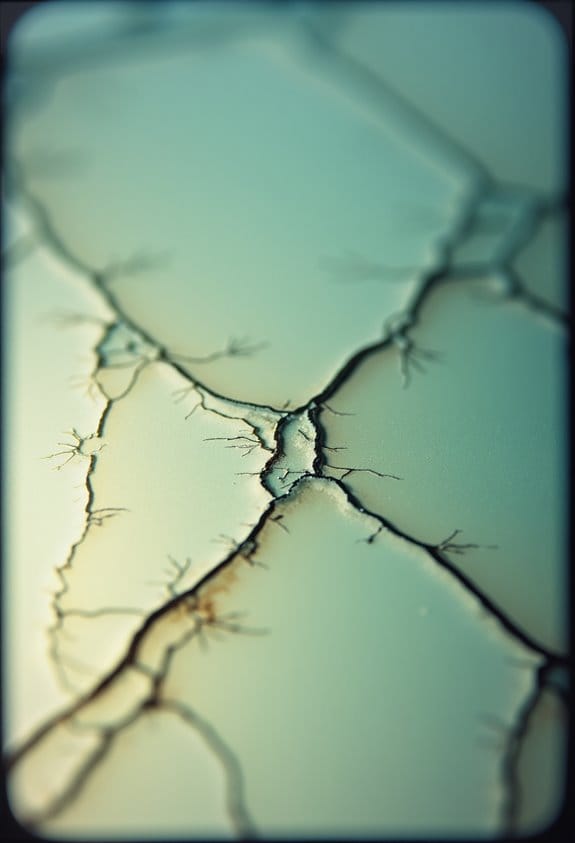
So, we’ve just talked about how high humidity can lead to fogging and other headaches when developing instant film, but let’s not overlook the issues low humidity brings to the table. When the air is too dry, your film can become brittle, making it more susceptible to damage when you’re handling or processing it. Plus, images might come out looking a bit off—think of it like trying to see through a smudged window. Without enough moisture, the emulsion layer dries out, which messes with the chemical reactions needed for development.
You might even notice your film curling up temporarily, which makes it tricky to store or display nicely. To keep everything in top shape, aim for about 50% humidity. This sweet spot helps protect your images and ensures they look fabulous. Speaking of which, let’s talk about some tips to maintain that ideal humidity level! Using films with protective polymer coatings can also help enhance the longevity and resistance to environmental factors including humidity.
Optimal Humidity Levels for Instant Film
Hey there! So, if you’re looking to get the best photos from your instant film, humidity levels are super important. Ideally, you want to keep things between 20% and 60% humidity. It’s really all about storing your film in cool, dry spots away from direct sunlight. Too much humidity can lead to problems like faded images, mold, and even ink transferring from the backing paper to your film. Imagine pulling out a beautiful shot only to find it’s been compromised—definitely a bummer!
To keep your film safe, try using sealed packaging until you’re ready to take those photos. This really helps fend off moisture damage. And here’s a handy tip: before you start shooting, let your instant film acclimate to room temperature for at least an hour. This helps prevent condensation from forming on the film, which could mess with the clarity of your images. You want those colors to pop, right?
Once you’ve got the humidity in check and your film is prepped, you’re well on your way to capturing vibrant memories! Speaking of which, let’s chat about the best shooting techniques to make the most of your instant film. Also, understanding the storage recommendations can significantly enhance the longevity and clarity of your images.
Storage Solutions to Combat Humidity Effects
Hey there! If we want to keep our instant film in tip-top shape, we really need to think about the best ways to store it and combat humidity. The key is to stash it in a cool, dry spot, somewhere that stays between 5°C and 40°C (41°F to 104°F). A great idea is to use air-tight containers or vacuum-sealed bags; these will keep the moisture out and help our film perform at its best.
It’s smart to keep the film in its original packaging until you’re ready to snap some photos, too. If you’re serious about protecting your film, consider getting a dedicated film fridge. Keeping it at temperatures around 4-18°C (41-65°F) can really help prolong its shelf life, but just a heads-up—freezing it can ruin your film! Oh, and don’t forget to check the humidity levels every now and then; if you’re in a really humid area, a dehumidifier can make a world of difference.
For added protection and organization, using storage solutions with water and dust resistance can shield your film and photos from environmental risks.
Storing your film properly sets you up for success when it’s finally time to unleash your creativity. Plus, if you keep these tips in mind, you’ll be ready to take on any shooting adventure with confidence!
Tips for Preserving Instant Film in Varying Climates
Sure thing! So, let’s chat about preserving instant film, especially since temperature and humidity can really impact it. If you’re looking to keep your film in top shape, storing it in a sealed package is key, and finding a cool, dry spot that stays between 13-28°C (55-82°F) works wonders. Think of it like keeping chocolate; you wouldn’t leave it out in the sun!
Now, if you’re in a humid area, a dehumidifier can be your best friend. It helps keep that moisture away from your film, which means fewer surprises later on. Also, if you pulled a film straight from the fridge, give it about an hour to warm up before using it, so you avoid that pesky condensation.
Another little tip: after you snap your pictures, keep them out of direct sunlight for the first 5-10 minutes. This helps the colors pop and minimizes fading. And don’t forget to do occasional checks on your stored film for any signs of moisture damage. Good habits can really extend the life of your instant film treasures!
Using a compact photo album made from durable PVC can also help protect your developed photos from humidity and frequent handling.
Frequently Asked Questions
How Does Humidity Affect Film?
Humidity levels can greatly affect film development. It impacts emulsion sensitivity, leading to chemical reactions that harm image clarity. Maintaining proper storage conditions is essential for preserving quality and preventing unwanted artifacts in our photographs.
Does Humidity Affect Polaroid?
Yes, humidity affects Polaroid. It can alter color accuracy, complicate image development, and ruin film stored in poor conditions. To maintain quality, we should prioritize climate control and proper storage to guarantee vibrant results.
Does Humidity Affect Camera Quality?
Yes, humidity does affect camera quality. We need to prioritize camera maintenance, lens cleaning, and proper film storage. By adapting our shooting techniques according to weather conditions, we can preserve image clarity and functionality.
Is 40% Humidity Good for a Camera?
Yes, 40% humidity’s ideal for our camera settings. It balances humidity levels, ensuring proper film storage and enhancing exposure times while protecting our gear from environmental conditions that might otherwise compromise our photography.