As an Amazon Associate, we earn from qualifying purchases. Some links on this site are affiliate links at no extra cost to you. Our recommendations are based on thorough research and editorial judgment.


Compatible Vs Original Instant Film: What You Need to Know

When comparing compatible vs. original instant film, we find significant differences. Original films like Polaroid 600 and i-Type offer vibrant colors and better performance tailored to specific cameras. In contrast, compatible films can be more affordable but may compromise quality and require camera adjustments. Both types have unique aesthetics—Polaroid films have a vintage feel, while Fujifilm Instax provides lively clarity. Understanding these distinctions helps us make the best choices for our photography projects, so let’s explore further.
Key Takeaways
- Original instant films provide better color accuracy and reliability, while compatible films may vary in quality due to third-party production.
- Polaroid 600 film contains a built-in battery, essential for older cameras, while i-Type film is battery-less and more affordable.
- Aesthetically, Polaroid films yield a vintage feel with soft colors, contrasting with the vibrant and polished look of Fujifilm Instax films.
- Using compatible film may require camera adjustments, potentially risking warranty voidance and impacting image quality.
- Proper storage in cool, dry conditions is crucial for both original and compatible films to maintain photo quality and longevity.
Understanding Instant Film Types

You may be interested


Hey! So, let’s talk about instant film because it’s really cool, but not all types of instant film are the same. For example, if you’re using a Polaroid camera, you might come across Polaroid 600 Film, which is pretty neat because it has a built-in battery that powers older models. On the flip side, there’s i-Type film, which is made for newer cameras that don’t need a battery. So, if you’ve got a vintage camera, don’t expect i-Type to work with it!
Now, here’s a fun part: each film type has its own vibe. There’s SX-70 film, which shines best in bright light—think sunny days at the park. It’s less sensitive to light compared to 600 film, which can handle a wider range of conditions. Then, you’ve got Fujifilm’s Instax film, which is known for its crisp images and vivid colors—perfect if you love that pop! It’s different from Polaroid’s softer, nostalgic look. Next time you’re out taking photos, keep these differences in mind to get the results you want. Speaking of which, let’s move on to tips for choosing the right camera for your film type! Instant films vary not only in appearance but also in ISO rating, which impacts the color vibrancy and performance in different lighting conditions.
Polaroid Original Film Overview
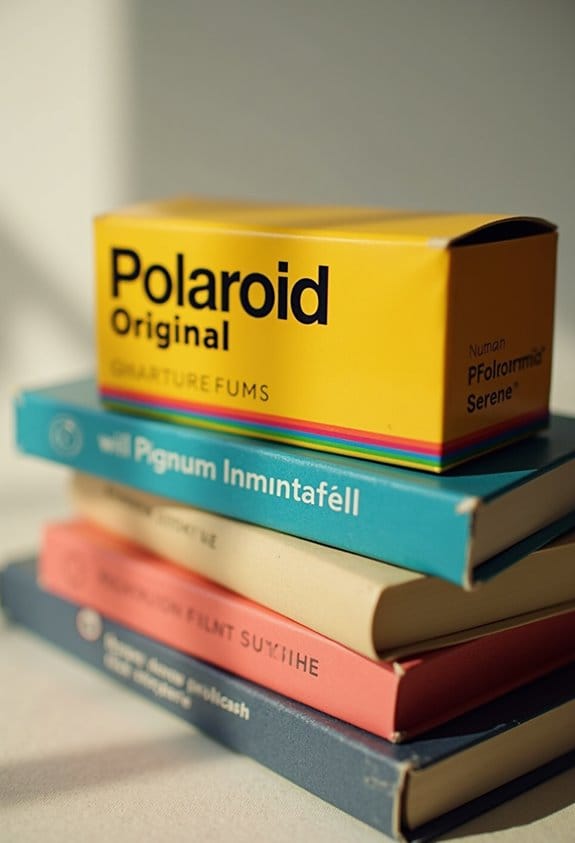
Hey there! So, have you ever wondered how Polaroid Original film can really bring your memories to life? It’s super cool because there are different types of film that work with various Polaroid cameras, each providing its own unique vibe. For instance, the Color 600 film is designed for those old-school Polaroid 600 series cameras. It actually comes with a built-in battery, which means you don’t have to worry about carrying extra power.
Now, if you’ve got one of the newer Polaroid cameras, you’ll want to check out the i-Type film. This one is made just for those modern models and doesn’t come with a battery, which makes it a bit cheaper. Pretty handy, right? Then there’s SX-70 film. It’s special because it works best in bright light—think sunny days or well-lit indoors—so if you’re planning to snap some photos, just keep that in mind.
What’s fun about these different films is the kind of look they give your photos. The Color 600 gives you that dreamy, vintage aesthetic, while the SX-70 sticks to that classic square shape, which is always eye-catching. So whether you’re going for a spontaneous snapshot or carefully planning your shot, knowing these film types will definitely enhance your instant photography game. Now, let’s talk about how you can choose the right moments to capture for the best results!
Be sure to store your film in a cool, dry place, and avoid freezing it to maintain optimal film quality for your photos.
Differences Between Compatible and Original Film

Hey there! If you’re into capturing those candid moments on instant film, you might be wondering about the differences between compatible film and original film. Compatible instant film is made by third-party companies, and while it can be tempting to try because it often costs less, the quality can vary a lot. You might run into problems like color shifts or inconsistencies in how your photos turn out.
On the flip side, original instant films, like those for Polaroid 600 and i-Type cameras, are designed specifically for those cameras. They tend to deliver better color accuracy and a more reliable finish. For example, if you’re using a Polaroid camera for a family gathering, using original film can result in those beautiful, vibrant pictures that you’ll cherish for years.
Just a heads-up though: if you opt for compatible films, you might need to tweak your camera a bit, which isn’t ideal if you want to keep it in perfect working order. It could even void your warranty! If your goal is to capture stunning memories with consistent quality, sticking to original instant films can be the way to go. Plus, who doesn’t love seeing those classic Polaroid frames come to life?
Additionally, considering the ISO 800 rating of original films can help ensure vibrant colors and natural skin tones in your photos.
Compatibility With Various Polaroid Cameras
Hey there! Let’s chat about the different types of film and how they work with our Polaroid cameras because choosing the right film can really make or break those picture-perfect moments. Each model has its own special film requirements that you need to keep in mind. For example, if you’re using a Polaroid 600 camera, you’ll want to pick up cartridges that come with a built-in battery. On the other hand, if you’re looking for something a bit more eco-friendly, Polaroid i-Type film is perfect since it doesn’t contain a battery.
Now, for those with an SX-70, you’ll need to grab the specific Polaroid SX-70 film. This film is more sensitive to light, making it a fantastic option for bright sunny days when you’re out and about taking photos. And let’s not forget about the Polaroid Go—it’s a fun compact camera, but it only works with Polaroid Go film, which is designed to be a unique size. Proper film storage and handling is important to ensure the best photo quality and longevity of your shots.
Aesthetic Considerations in Instant Photography
Hey! Let’s chat about instant photography and why the aesthetic of your pictures really matters. You know, instant films like Polaroid and Fujifilm Instax each bring their own vibe to the table. Polaroid film is all about that classic, vintage feel. Imagine soft colors and a kind of dreamy finish that really tugs on your heartstrings—perfect for capturing moments that feel nostalgic. On the flip side, Fujifilm Instax films are known for their lively, vibrant colors. They give a more polished, modern look, which is great if you want those snapshots to pop.
Then there’s the difference in sizes. Polaroids come in that iconic square shape that feels timeless, while Instax offers rectangular prints that can fit neatly into your wallet or even a photo album. Oh, and if you’re into black and white photography, Polaroid has some warm, rich options that can bring an emotional depth to your photos. Instax’s black and white films lean towards a softer tone, which can create a nice alternative, especially for more delicate moments. Plus, if you like to express yourself, Instax films come with fun colored borders that make your images stand out even more.
Ultimately, the aesthetic you choose really shapes how your stories get told through your photos. It’s exciting to think about how different choices can influence not just the look, but also the feeling of the moment you’re capturing. What’s next? Let’s explore some tips on how to use these films creatively! Keep in mind that the development time for instant films can vary, typically around 90 seconds for Instax films, which adds to the instant gratification of photography.
Pros and Cons of Using Compatible Films
Hey there! If you’re into instant photography, you’ve probably heard about compatible films. They’re a fun and budget-friendly option that can really get your creative juices flowing. These films often create unique effects and colors that you won’t find with standard films. For instance, some compatible films can give your photos a dreamy, vintage vibe that makes them stand out.
But here’s the catch: while compatible films can offer these cool aesthetics, they sometimes require you to tweak your camera. This means you might run into issues with reliability and consistency that you wouldn’t have to worry about with original films. Original films are made specifically for certain camera models, which usually means you can expect better performance every time you take a shot. They’re also easier to find, so if you want to just focus on capturing great moments without the hassle, original films might be the way to go.
In the end, it might be worth trying out some compatible films for that artistic spark. Just keep in mind, if you’re looking for dependable results every time, sticking with the original films is probably your best bet for instant photography success. Ready to explore your options? Keep in mind that the ISO rating of 800 in original instant films ensures vibrant colors and natural skin tones, enhancing image quality.
Availability of Different Film Types
Finding the right instant film can definitely feel a bit overwhelming at first, especially with so many options out there. When you’re looking into the availability of different film types, it’s important to remember that brands like Polaroid and Fujifilm don’t mix their films. For example, Polaroid offers specific film types like i-Type, 600, and SX-70, each designed to work with particular cameras. On the flip side, Fujifilm’s Instax line has its own set of formats—Mini, Wide, and Square—each requiring the right film for your camera.
You might run into some regional variations when searching for these films. While you can easily find them online, some local shops might not carry everything you want. If you’re gearing up for a fun shoot, you’ll notice that film packs come in various sizes, with options that offer anywhere from 16 to 80 shots. This variety makes it easier to pick what suits your shooting style. Once you’ve figured out the film type you need, you’ll be well on your way to capturing those instant memories! It’s also helpful to consider the ISO ratings of the film, as they affect performance in different lighting conditions.
Resale Value of Vintage Polaroid Cameras
Hey there! If you’ve ever thought about vintage Polaroid cameras, you’re in for a treat. These classic models, like the iconic SX-70, aren’t just old cameras; they’ve become valuable pieces that people love to collect. Their rarity makes them super appealing, which is why you’ll often see their prices climbing.
Now, what really influences the resale value? It mostly comes down to how well the camera is preserved and whether it still works properly. For example, a well-maintained SX-70 can sometimes sell for several hundred dollars, while a less cared-for model might barely break the $50 mark. This just shows how important condition is when it comes to vintage gear!
And let’s not forget that many collectors are drawn to the nostalgic charm these cameras hold. They’re not just tools for snapping photos; they’re like treasures from the past that bring a lot of joy. Over the last decade, we’ve seen prices steadily increase, reflecting a growing love for these unique instant cameras. So, if you’re thinking about starting a collection or maybe just curious about vintage photography, Polaroids might be a fun way to go!
Using compatible instant film can also enhance your experience by offering a convenient and cost-effective alternative to original Polaroid film.
Making the Right Choice for Your Photography Needs
Choosing the right instant film for your camera can be a bit of a puzzle, right? There are so many options out there! The first thing you want to do is make sure the film matches your camera model. For example, if you have a Polaroid camera, you need to look for films like the 600, i-Type, or SX-70 because they work perfectly with those specific models. These films give you that classic vintage look that many of us love.
Now, if you’re more into Fujifilm Instax films, you’re in for a treat. They’re generally more budget-friendly and fantastic for those spontaneous moments. Just think about how easy it is to whip out your camera during a fun outing to snap and share those vibrant prints right away. Keep in mind that Instax prints are smaller than Polaroid’s, making them handy for everyday use, while Polaroid’s larger prints tend to steal the show in a more artistic way.
Also, don’t forget to consider the availability of different film formats. If you’re planning a project, it’s super helpful to know what film is easy to find in your area. So, by taking your needs into account and comparing them with the film specs, you’ll be on the right track to grabbing the perfect instant film for your next adventure. Speaking of adventures, let’s talk about how to get the most out of those prints once you have them! Remember, storing instant film in cool, dry conditions helps maintain its quality and longevity for the best results.
Frequently Asked Questions
Does It Matter What Film I Get for My Polaroid?
Yes, it matters what film we get for our Polaroid. Film compatibility impacts image quality, development time, and camera settings. Considering cost comparison and our user preferences guarantees we get the best results for our photography.
What’s the Difference Between Instax Film Types?
Isn’t it fascinating how different Instax film types affect our experience? Each has unique film compatibility, image quality, and pricing, plus color variations and packaging differences tailored for specific camera types, making our choices exciting!
What Is Better, Instax or Polaroid?
When we immerse ourselves in the instax film comparison versus polaroid film quality, we find each has its charm. Ultimately, it’s about our creative uses for instant film and what fits our nostalgic photography debate.
Does Instax Film Work for All Instax Cameras?
No, Instax film isn’t interchangeable across all Instax cameras. We should consider compatible film options for each camera model, as film size variations affect pricing and quality, impacting our choices with popular camera brands.