As an Amazon Associate, we earn from qualifying purchases. Some links on this site are affiliate links at no extra cost to you. Our recommendations are based on thorough research and editorial judgment.


Color Vs Black and White Instant Film: When to Use Each

When deciding between color and black and white instant film, we should consider the mood and story we want to tell. Color film brings vibrant scenes to life, perfect for lively events, with rich detail and emotional tones. In contrast, black and white film highlights textures and contrasts, ideal for capturing timeless moments and deep emotions. Examining both formats in various settings reveals unique perspectives. Let’s explore how to choose the right film type for our next photography adventure.
Key Takeaways
- Use black and white film for soft, diffused light to emphasize strong contrasts and rich textures.
- Choose color film for vibrant scenes, effectively capturing lively moments with vivid details.
- Black and white photography evokes nostalgia and personal reflection by stripping away color to focus on emotion.
- Consider the setting; vibrant environments benefit from color, while quieter spaces are ideal for black and white.
- Your intended mood and message will guide whether to capture timeless emotions or lively stories through your film choice.
When to Choose Black and White Instant Film

You may be interested


So, when should you grab that black and white instant film? It’s a fantastic choice when you’re looking to highlight strong contrasts and capture rich textures. Picture this: it’s an overcast day, and the soft, diffused light makes the shadows and highlights pop in your shots. You can really bring out the details—in textures like wood grain or the wrinkles in someone’s hand—that color might distract from.
The beauty of black and white is how it channels emotion too. Without color, you’re left with a range of greys that can really elevate the mood of a photo. For instance, have you ever snapped a photo of an old building with beautiful architectural lines? That monochrome look can give it a timeless feel, making it resonate with memories of the past.
Plus, using black and white film allows you to focus on forms and how light plays off surfaces. Think about silhouettes against a sunset or the gentle curves of a person’s profile. It invites your audience to connect more deeply with the image, seeing things in a new light—literally! So next time you’re out with your camera, consider reaching for black and white instant film when the scene calls for that emotional and dramatic touch. Remember to choose film with the right ISO rating to capture sharp details in various lighting conditions.
Recommended Products

Great Photography Every Day, Everywhere: X100V features a newly designed, incorporated 23mmF2 lens, ensuring you preserve those special moments at maximum resolution with minimal distortion. It also offers an improved close focusing performance compared to previous X100 models, and, for the first time in the X100 line, you can keep making images even in the toughest conditions when you attach the optional adapter ring with the weather-sealing protection lens (sold separately). This outstanding lens retains the same slim line design as other X100 models, so it retains compatibility with existing WCL and TCL lens attachments.

Dive into Film Replication: Unlock FUJIFILM's iconic film simulations effortlessly with the dedicated film simulation dial of the FUJIFILM X-T50 Mirrorless Camera. Embrace the heritage of renowned film stocks like REALA ACE, enhancing your creative vision with each shot. With flagship features inherited from the X100VI and the flexibility of interchangeable lenses, this camera is a gateway to cinematic storytelling.

【Ultra Short Throw 4K Laser Projector with ALPD Technology】Powered by ALPD laser technology and true 4K UHD resolution, this ultra short throw projector 4k delivers speckle-free 4K ultra-high definition with 110% Rec.709 wide color gamut, displaying 1.07 billion vivid colors. HDR10 and HLG high dynamic range support ensures superior color accuracy, brightness, and contrast for an immersive cinematic experience.
Advantages of Color Instant Film

Color instant film is such a fantastic way to capture moments! The way it brings scenes to life with vivid colors and sharp details is just incredible. Imagine taking a photo at a vibrant street festival—the bright blues, reds, and yellows jump out at you, making it feel like you’re right there in the action. Plus, with this film, you can really play with colors to highlight what you want the viewer to notice. If you’re shooting a sunset, for instance, you can emphasize that fiery orange sky against the cooler shades of twilight.
Another cool feature is the instant development. You get to see your shot almost immediately! This means if something doesn’t look quite right, you can tweak your setup on the spot. It’s a bit like having a mini photography workshop right in your hands. And because colors can evoke different feelings, using color instant film can really enhance the story behind your photo.
Additionally, many color instant films offer an ISO 800 rating, which contributes to vibrant colors and better skin tones in various lighting conditions.
Recommended Products
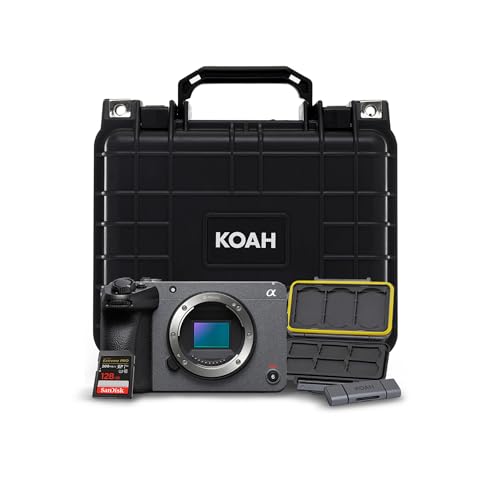
Bundle Includes: Sony Cinema Line FX30 Super 35 Camera (Body Only) Weatherproof Hard Case with Customizable Foam (10 x 9 x 7 Inch) 128GB SDXC Memory Card 2-in-1 Aluminum SD Card Reader and Rugged Memory Storage Carrying Case

𝐄𝐱𝐜𝐞𝐩𝐭𝐢𝐨𝐧𝐚𝐥 𝐁𝐫𝐢𝐠𝐡𝐭𝐧𝐞𝐬𝐬: Boasting a remarkable 2800 ISO lumens, this 4K laser projector delivers unparalleled brightness, ensuring vivid and clear visuals even in well-lit environments. Enjoy crisp, clear images with exceptional detail and depth, making every viewing experience truly immersive.
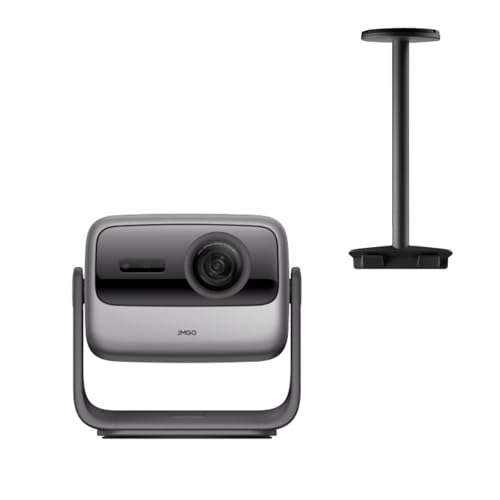
𝐄𝐱𝐜𝐞𝐩𝐭𝐢𝐨𝐧𝐚𝐥 𝐁𝐫𝐢𝐠𝐡𝐭𝐧𝐞𝐬𝐬: Boasting a remarkable 2800 ISO lumens, this 4K laser projector delivers unparalleled brightness, ensuring vivid and clear visuals even in well-lit environments. Enjoy crisp, clear images with exceptional detail and depth, making every viewing experience truly immersive.
The Emotional Impact of Black and White Photography

You know, emotion really shapes how we connect with photography, and black and white images do this in a special way. Without the distraction of color, these photos focus on things like contrast and texture, which creates a classic look that really hits home. Think about an old black and white portrait; it can instantly bring up feelings of nostalgia or make you reflect on your own experiences. Those shadows and highlights add a whole new level of depth and drama, pulling you into the moment even more.
For instance, consider a black and white photograph of a lonely street corner on a rainy day. The lack of color emphasizes the glistening pavement and darkened sky, which might make you feel a sense of solitude. It’s fascinating how the absence of color can highlight feelings like isolation or melancholy. In a world full of vibrant hues, black and white photography serves as a powerful reminder of the raw emotions that sometimes get lost in the noise.
Additionally, using film with the right ISO rating can greatly enhance the mood and texture captured in black and white instant photos.
Experimenting With Both Formats
You know, appreciating the unique qualities of color and black and white instant film can be such a fun journey! When you start experimenting with both formats, you really get to feel the different emotions and vibes each one brings to your photos. For instance, black and white film does an amazing job highlighting contrasts and textures, so it’s fantastic for scenes with dramatic lighting or intricate details, like a close-up of an old, weathered building. On the other hand, color film is awesome for capturing vibrant moments—think about a lively street market bursting with colors or a fashion shoot where every hue tells a story.
If you take the same scene and shoot it in both formats, you’ll notice how color can completely change the mood. Imagine a beautiful sunset; in color, it might look warm and inviting, while in black and white, it could feel more dramatic and moody, focusing your attention on the shapes and shadows. This kind of exploration really helps you understand composition and subject matter, broadening your creative horizons. So, let’s keep exploring these formats and see how they can enhance our storytelling through instant film photography! It’s all about finding what resonates with you.
Additionally, choosing the right film format and size can significantly impact the final aesthetic and usability of your instant photos.
Tips for Choosing the Right Film Type
When you’re trying to choose between color and black and white instant film, it really comes down to the story you want your photos to tell. For instance, if you’re capturing a lively street festival filled with colorful outfits and food stalls, color film does an amazing job of bringing those vibrant moments to life—it’s like a visual feast! But if you’re snapping a portrait or an architectural shot that you want to feel timeless, black and white instant film is perfect. It strips away distractions and puts the focus on shapes and textures, giving your images a profound depth.
Think about the setting too! In a bustling market, color can really showcase the excitement, while in a quiet, moody café, black and white can evoke nostalgia. Don’t forget about lighting, either; those filters you can use in black and white photography can add incredible contrast. Meanwhile, color film is all about capturing the scene exactly as it is. So, take a moment to consider the mood and message you want in your photos. Do you see that lively festival or that intimate café setting? That will guide your choice beautifully.
Recommended Products

4K 60P recording in XAVC long gop format

❤️❤️❤️ 2 YEARS of FREE Ink & Powder Starting from 2025, Get 5 bottles of 250ml ink + 500g powder every 2 months — just cover shipping (US only). Save over $1000 on supplies

❤️❤️❤️ 2 YEARS of FREE Ink & Powder Starting from 2025, Get 5 bottles of 250ml ink + 500g powder every 2 months — just cover shipping (US only). Save over $1000 on supplies
Frequently Asked Questions
What Is the 20 60 20 Rule in Photography?
The 20 60 20 rule guides us to balance composition techniques, lighting effects, and emotional impact. It encourages diverse subject focus, catering to genre preference while enhancing audience perception and print quality in our photography.
Should My Headshot Be in Color or Black and White?
We should choose a headshot format based on mood conveyance and audience perception. Whether color or black and white, let’s consider the professional image we want to project, along with lighting considerations and industry standards.
Should I Shoot in Color or Black and White?
We should consider our subject matter and mood enhancement when deciding between color and black and white. Color brings advantages in vibrancy, while black and white evokes deep emotions and artistic expression through unique lighting effects and aesthetic preference.
When to Push Black and White Film?
We should push black and white film when low-light conditions demand it, enhancing emotional impact and contrast. This technique enriches storytelling elements, allowing for artistic expression and mood setting, particularly with dramatic subject matter.